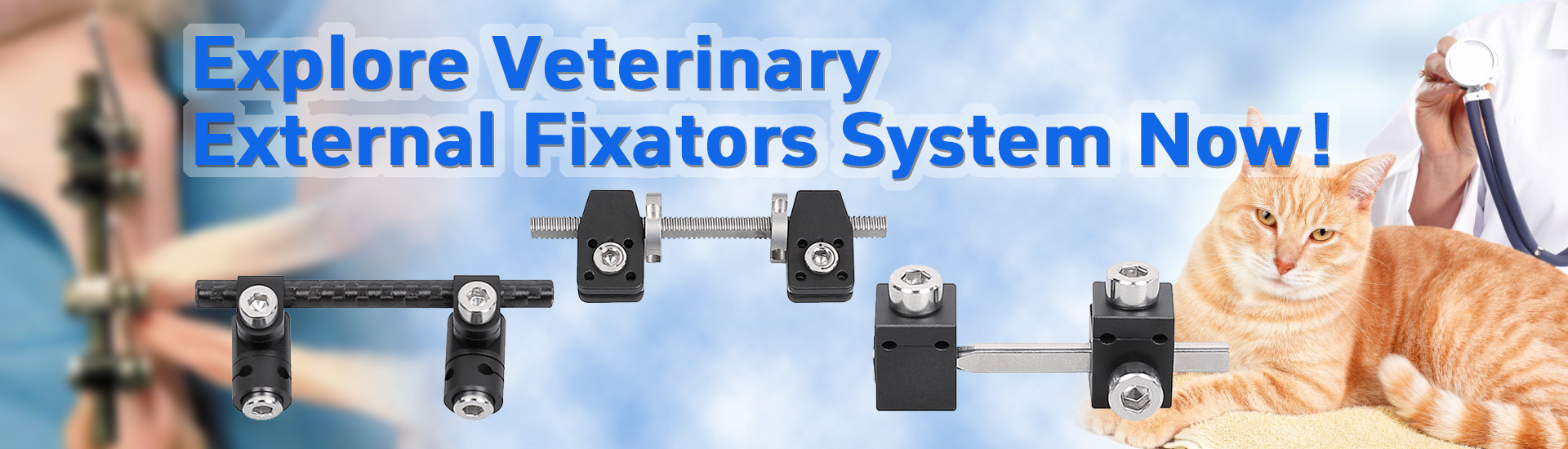
External Fixation
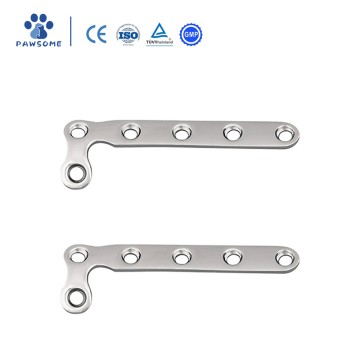
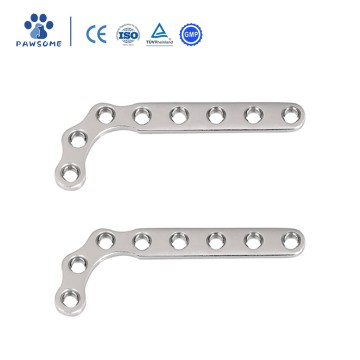
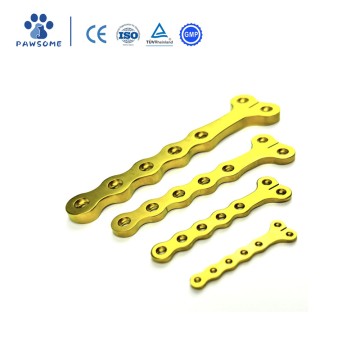
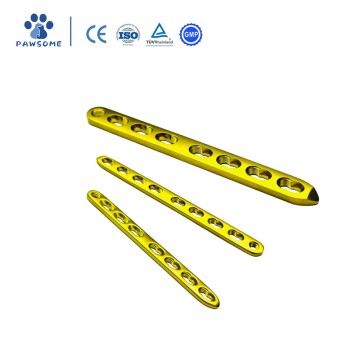
01


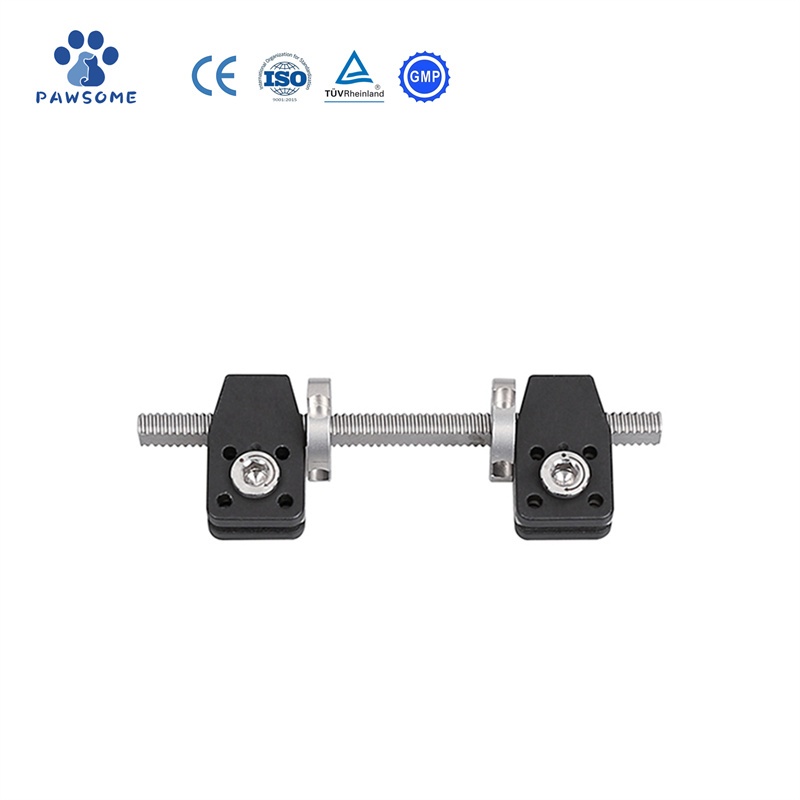
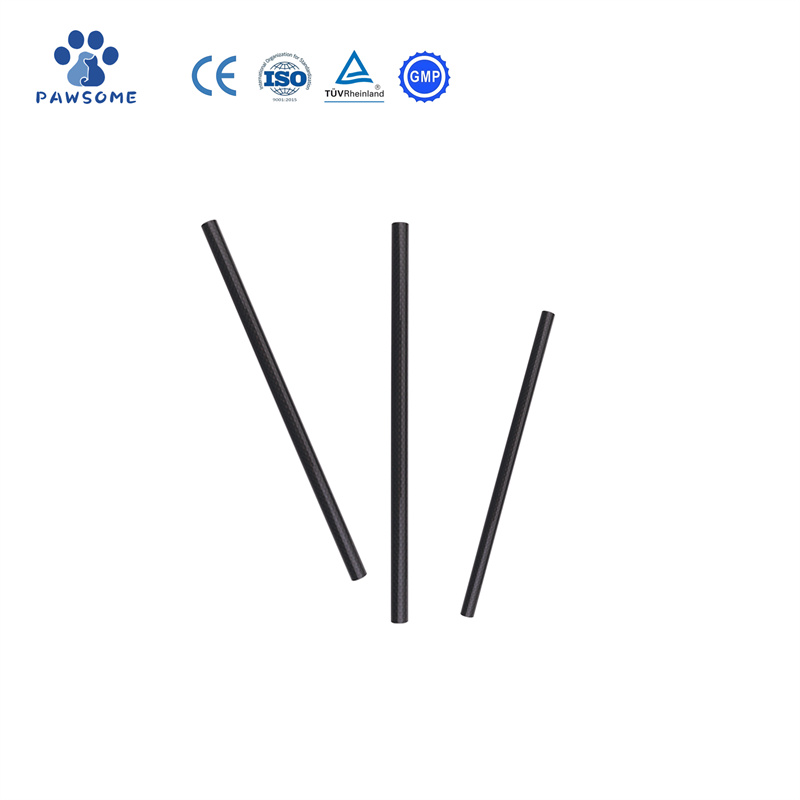
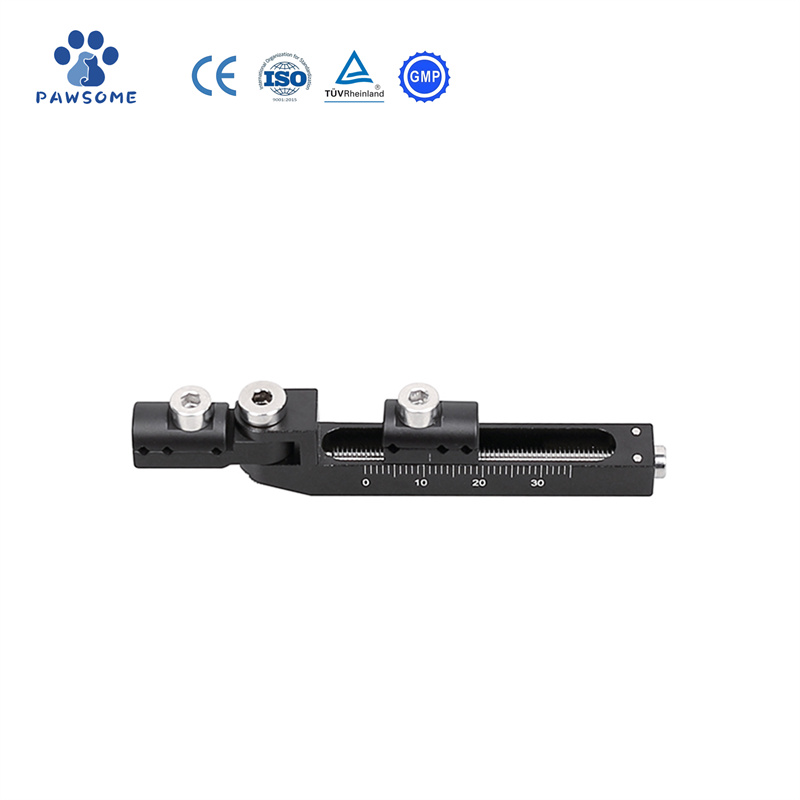
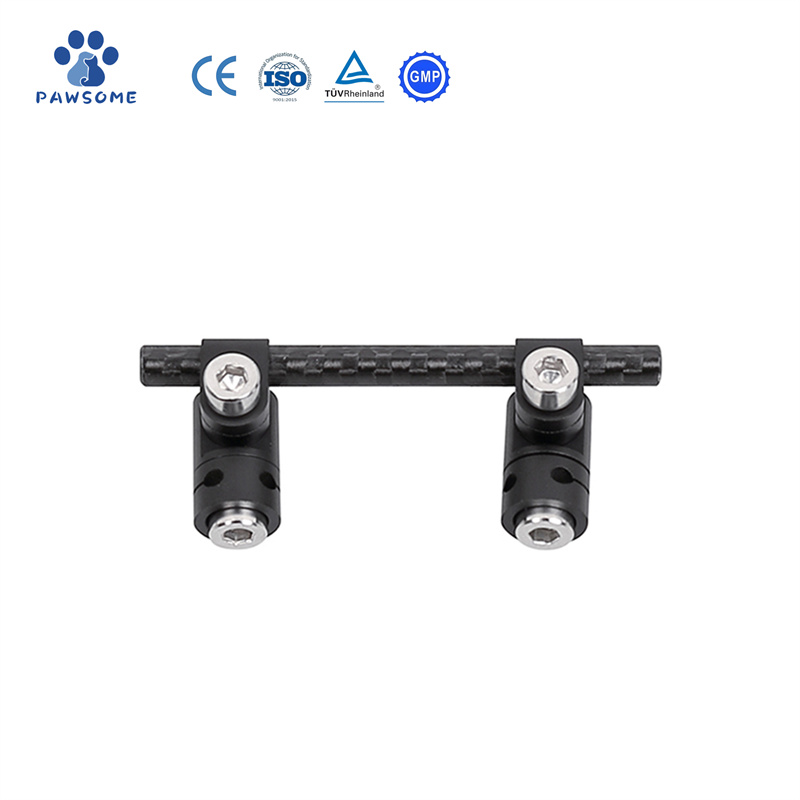

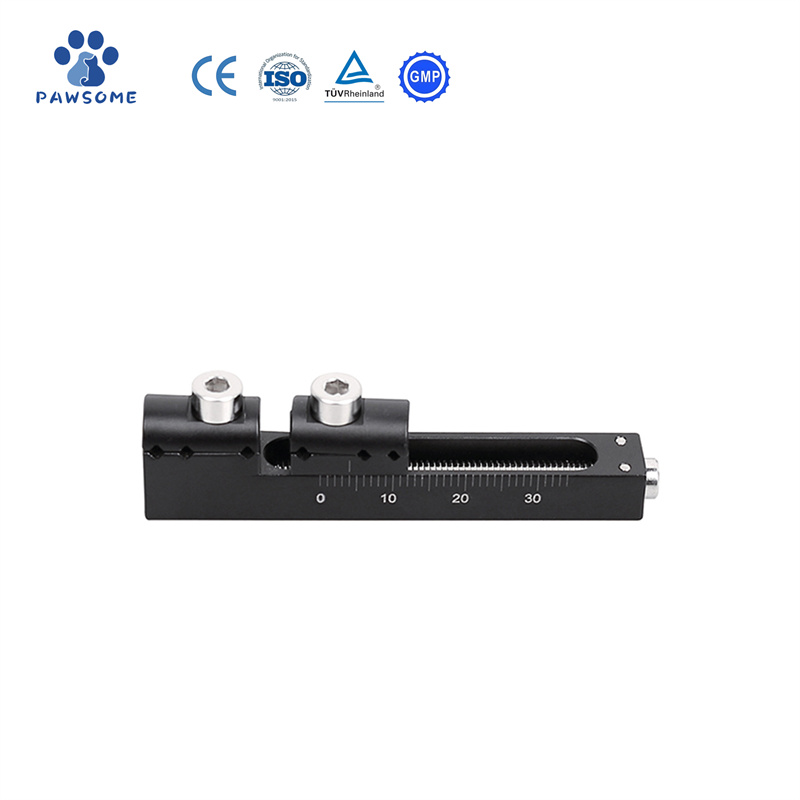
Veterinary Pawsome External Fixator For Dog And Cat External Fixation
specification
| Products | CODE | TYPE | Picture |
| Veterinary External Fixaors | PAW070101 | Type A | 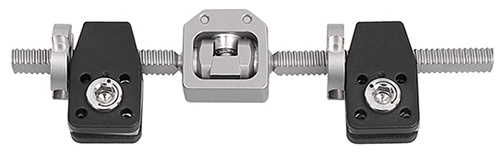 |
| PAW070102 | Type B | 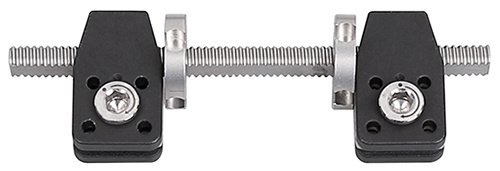 |
|
| PAW070103 | Type C | 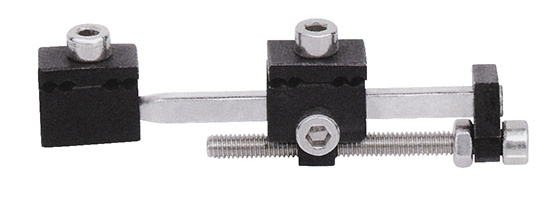 |
|
| PAW070104 | Type D | 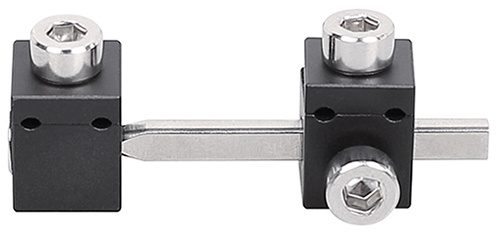 |
|
| PAW070105 | Type E | 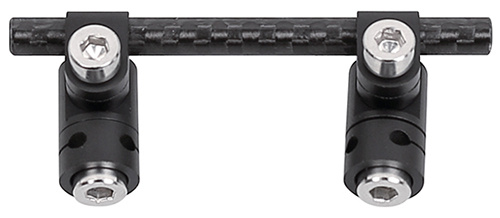 |
|
| PAW070106 | Type F |  |
|
| PAW070107 | Type G | 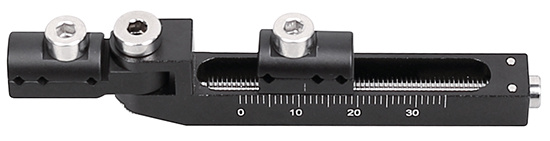 |
|
| PAW070108 | Type H | 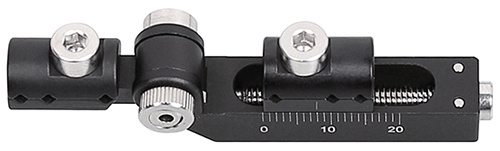 |
product description
The abbreviation of the veterinary external fixation splint is EFS, which is a "scaffolding" artifact for dealing with some difficult fractures and corrections.
1. What is veterinary external fixation?
Imagine: your pet's bone is broken, and we don't put steel plates and nails inside (internal fixation), but a metal frame outside the skin is used for fixation. This frame is composed of several metal pins and connecting rods (clamps/connecting rods) that penetrate the skin and muscles and screw directly into the bones. It is like a sturdy external scaffolding, firmly fixing the broken bones in an aligned position until the bones grow back by themselves.
2. What are the core components of the veterinary external fixator?
1) Pins/Pegs:
* Usually a slender rod made of stainless steel or titanium alloy, with threaded pins (full thread, half thread, center thread) and smooth pins (Kirschner wires).
How to use the pins? Use a drill to make a small hole in the skin, drill the pins vertically or crosswise through the cortical bone on both sides, and firmly "anchor" them in the bone. This is the core of power transmission!
2) Clamps/Connecting Rods:
This is where the name "clamps" comes from! They are usually lightweight, high-strength aluminum alloy or composite block/rod-shaped parts. Their function is to tightly "clamp" the ends of the fixed pins that have penetrated. By adjusting the knobs or buckles on the clamps, the angle, position of the pins and the tightness of the entire frame can be adjusted very conveniently.
3) Connecting rods/bars (Rods/Bars - if necessary)
Sometimes in complex configurations, metal rods are used to connect different clamp components to increase overall stability.
3. What is the core purpose of external fixation clamps?
1) "Savior" of open fractures: This is its most shining stage! Is there a wound, contamination or even infection at the fracture site? Internal fixation (plate screws) is too risky (infection can easily spread to the built-in). External fixation clamps solve the problem perfectly:
* The needle is away from the wound, reducing the risk of infection.
* Debridement and dressing changes are super convenient and do not interfere with the fixation frame.
* Infected? It is easy to deal with the source of infection, and usually there is no need to dismantle the entire frame.
2) Severe comminuted fracture: The bone is broken like slag, and internal fixation is impossible? The external fixator can provide stable support, allowing the broken bones to slowly "return to the team" and grow well.
3) Bone defect requires bone grafting: Is a large piece of bone missing? The external fixator can maintain the length and force line of the limb and create a stable space for the bone graft material to grow.
4) Limb orthopedic surgery: For example, correcting O-shaped legs, X-shaped legs (angular deformity), and long and short legs (unequal limb length). After the frame is installed, you can slowly twist it every day! This is called **bone lengthening/orthopedics), using the body's own repair ability to allow the bone to grow new bone in the set direction and correct the deformity. Very magical!
5) Temporary/ultimate fixation of arthrodesis:
Sometimes used as an auxiliary fixation for arthrodesis, or as a final fixation method in certain parts (such as the wrist joint).
6) Temporary stabilization of complex fractures: Before the final internal fixation surgery, external fixation is used to quickly stabilize the fracture, relieve pain, restore the general shape of the limb, and improve the condition of soft tissue.
7) Certain maxillofacial fractures: Especially suitable for fixing complex areas near the mouth and with teeth.
4. What are the advantages of external fixation splints? Why choose it instead of a steel trauma plate?
1) Minimally invasive! Protect the "lifeline" of soft tissue:
* The surgical incision is small (mainly the needle insertion point), and the blood supply to the fracture area is minimally damaged. This is very important for fracture healing! Good blood supply means faster bone growth.
* The periosteum (the "nutrient membrane" of the bone) is not stripped, and the self-healing ability of the bone is retained to the greatest extent.
2) The "perfect match" for open/infected fractures:
* Keep away from the wound to reduce the risk of infection of the implant.
* Unimpeded wound care: debridement, flushing, dressing change, and drainage are unimpeded.
* Even if a pin tract infection occurs (common but usually easy to treat), it rarely affects the deep fracture or the bone marrow cavity, and treatment is relatively simple (local treatment, antibiotics, possible adjustment/replacement of the pin).
3) High flexibility and dynamic adjustment:
During surgery: The clamp design allows for fine adjustment of fracture reduction (alignment, length, angle) after installation, which is much more flexible than a plate!
After surgery: What if the alignment is not perfect on a rechecked X-ray? Loosen the clamp, make a slight adjustment, and then tighten it! You can even perform progressive correction (bone lengthening/deformity correction).
4) Wide applicability:
It can be used for almost all long bones in the body (especially the limbs), especially for distal limbs (calf, distal forearm), pelvic fractures, and young animals (without interfering with the growth plate).
5) Adjustable strength and diverse configurations:
Depending on the type and location of the fracture, you can choose:
* Unilateral single rod: the simplest, used for fractures with better stability (such as the ulna).
* Unilateral double rod/triangle: more stable, commonly used.
* Bilateral/circular (Ilizarov frame, more complex), provides super stability, used for severe comminuted fractures, bone lengthening, complex orthopedics.
6) Easy to remove:
After the fracture heals, all pins and frames can be easily removed in the clinic under local anesthesia (sometimes even without anesthesia, good children), without the need for a second major surgery.
7) Relatively economical:
Usually less expensive than complex internal fixation surgery (especially involving locking plates).
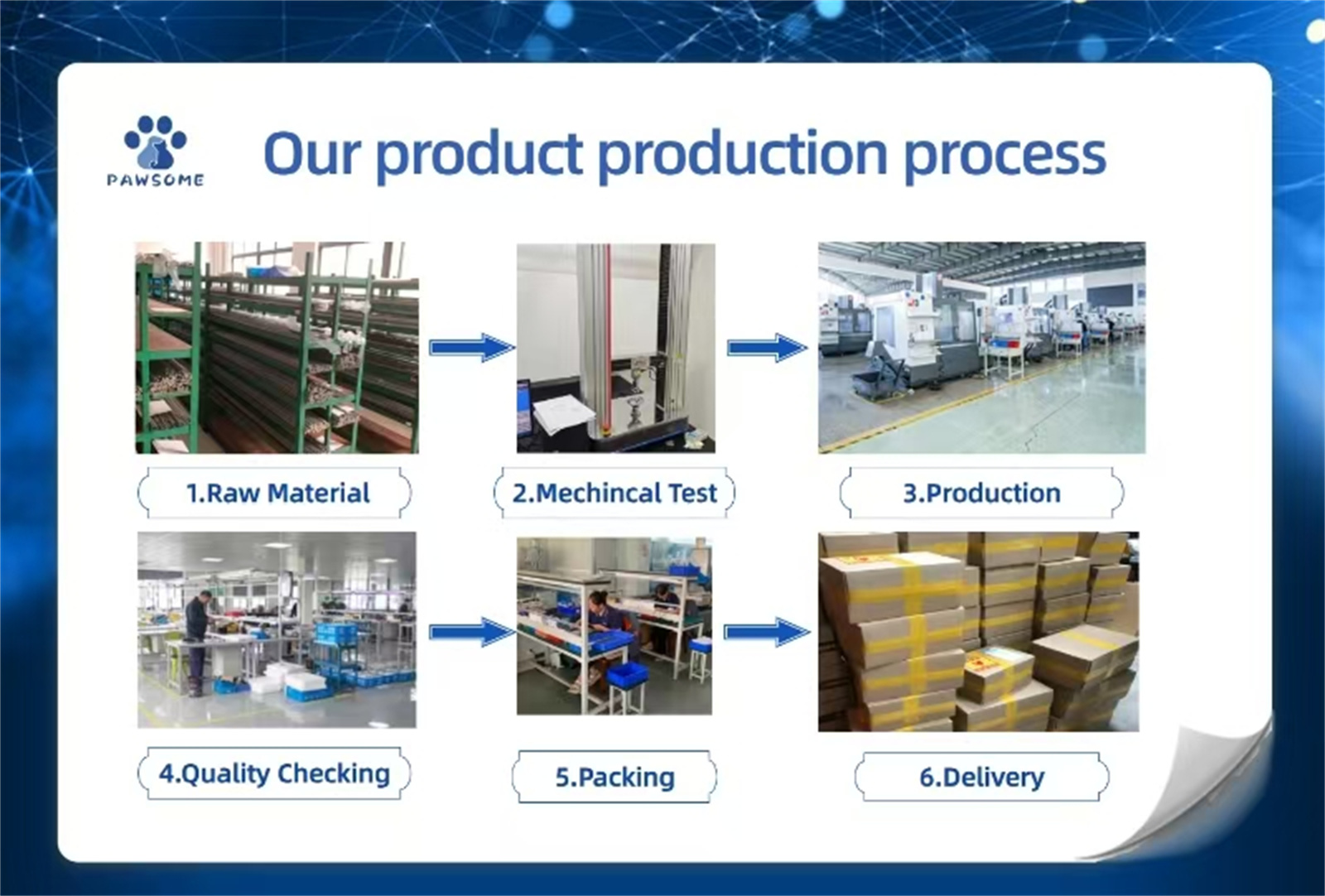
Our Production Process