
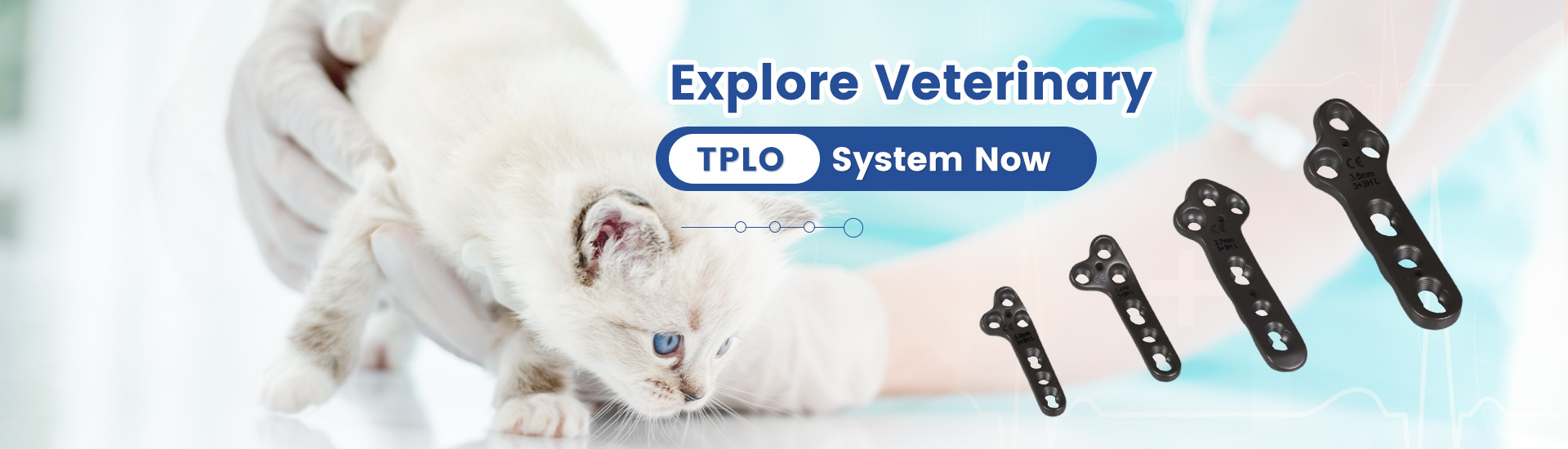
TPLO
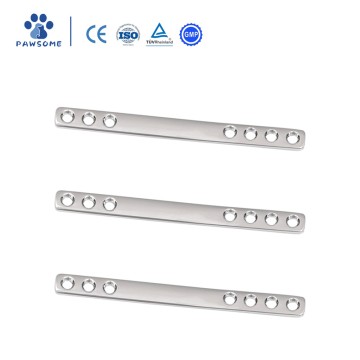
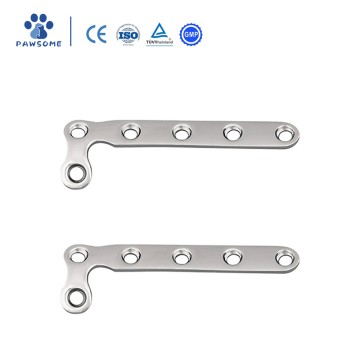
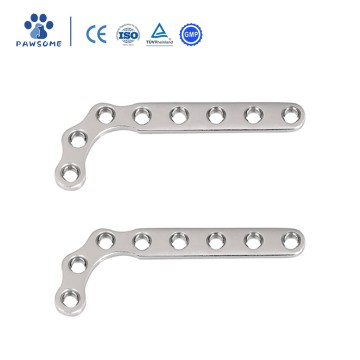
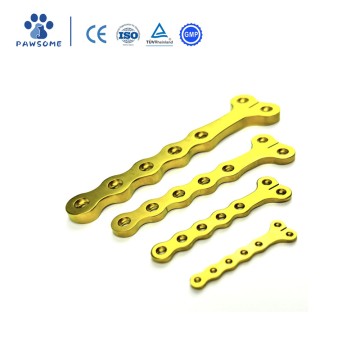
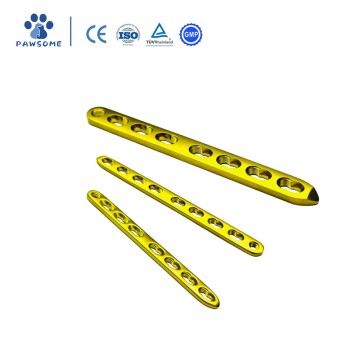
01


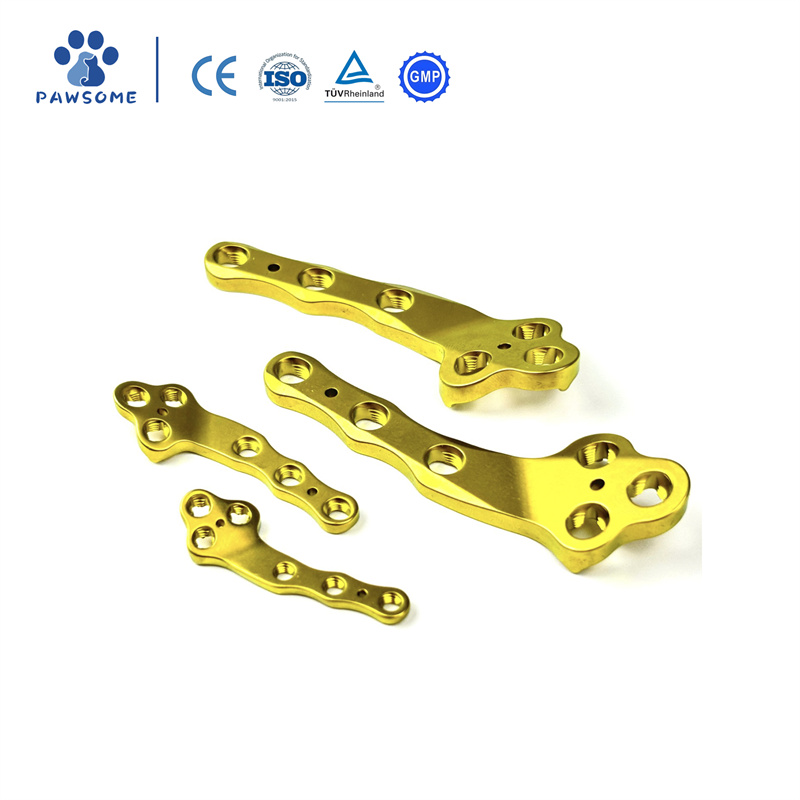
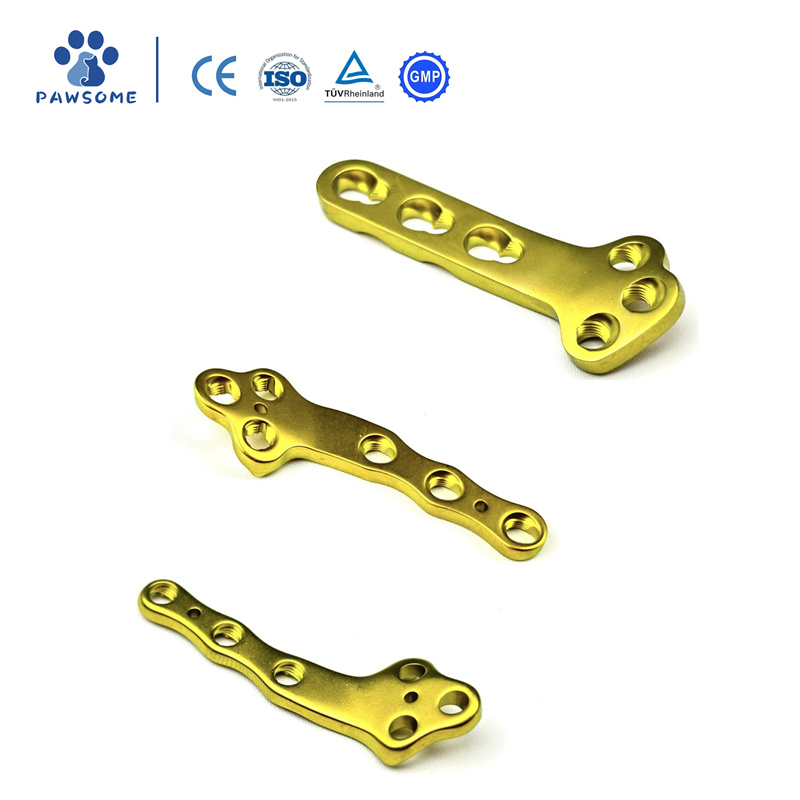

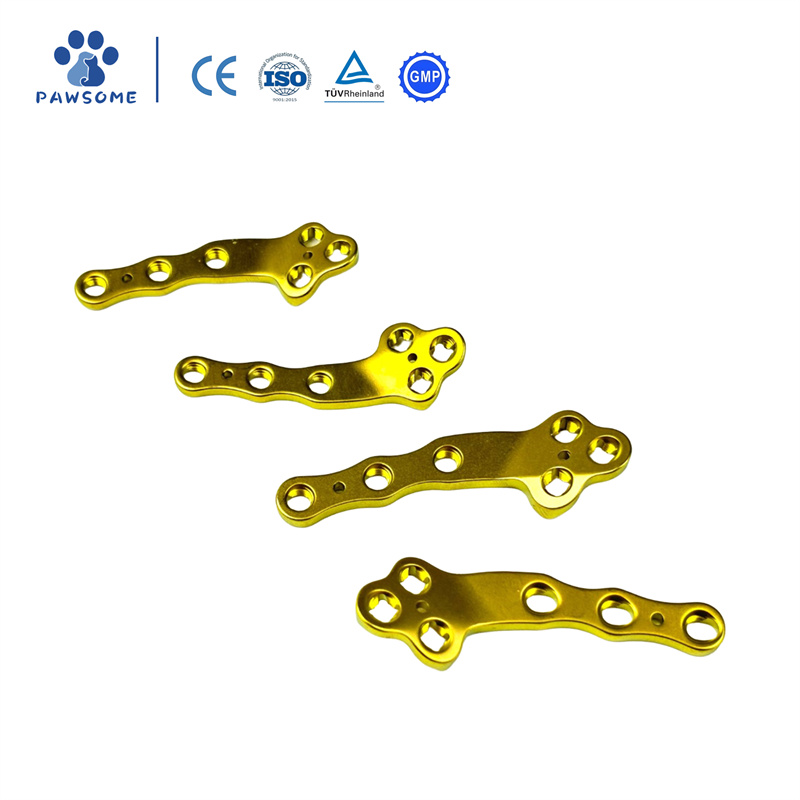


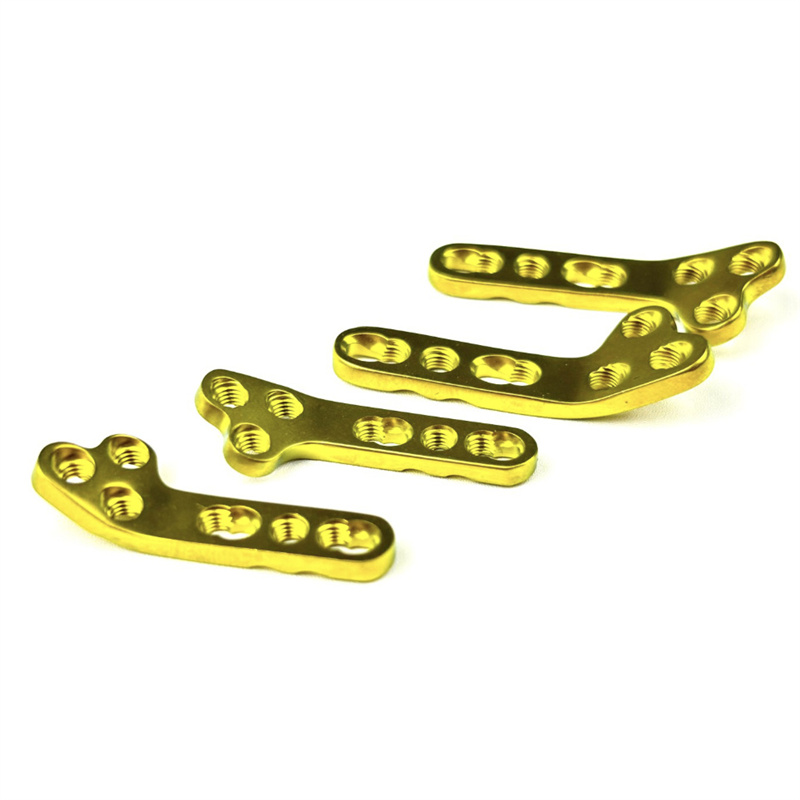

Titanium Veterinary TPLO Locking Plate Set for Animal Dog Cat Orthopedic Surgery
specification
| Products | Details | CODE | Specification | Picture |
| TPLO 2.0 plate | Length 30 mm, thickness2.3 mm | BMD-VT-8004 | 3+3 Holes left |  |
| BMD-VT-8005 | 3+3 Holes right | |||
| TPLO 2.4 plate | Length 35 mm, thickness2.3 mm | BMD-VT-8006 | 3+3 Holes left | 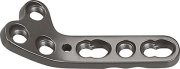 |
| BMD-VT-8007 | 3+3 Holes right | |||
| TPLO 2.7 plate | Length 46 mm, thickness2.5 mm | BMD-VT-8008 | 3+3 Holes left | 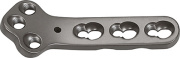 |
| BMD-VT-8009 | 3+3 Holes right | |||
| TPLO 3.5 plate | Length 64 mm, thickness 3.7 mm | BMD-VT-8010 | 3+3 Holes left |  |
| BMD-VT-8011 | 3+3 Holes right |
About Pawsome
Pawsome is a professional manufacturer of pet orthopedic surgical products. We have hundreds of different veterinary orthopedic implants and instruments, Covering Spine series, ALPS plate series, Non-locking plate series, TPLO series, TTA series, Veterinary surgical instruments and Veterinary surgical instrument kits, etc. Here you can achieve one-stop shopping. We have sufficient inventory for fast delivery. All products are CE and ISO certified and sold worldwide.
product description
1. What is the Veterinary TPLO plate?
TPLO Plate is used in TPLO surgery to fix the proximal tibia after rotational osteotomy! It is suitable for dogs with complete or partial rupture of the anterior cruciate ligament (CCL) (this is the "number one killer" of dog knees).
Goal: By changing the tibial plateau angle (TPA), the force direction of the tibia is changed**, and the anterior instability of the tibia relative to the femur (drawer effect) is eliminated, thereby reducing pain, restoring function, and delaying the progression of osteoarthritis. In TPLO surgery, we use a precision oscillating saw to cut a round bone block (bone disc) from the dog's tibial plateau (the top surface of the calf bone below the knee), and then rotate this bone disc to a specific angle (the goal is to reduce the originally steep tibial plateau angle TPA to about ~5 degrees). The purpose is to prevent the calf bone from sliding forward when it is stressed (eliminating the "drawer effect") and stabilize the knee joint.
The core task of the TPLO plate is to firmly "weld" the bone disc rotated to a new position to the tibial shaft! Prevent it from loosening, shifting or turning back.
This is a specially designed, high-strength (usually titanium alloy) bone plate.
The "proximal" part (head): is usually designed to be curved or bifurcated (Y-shaped, T-shaped, L-shaped, etc.) with multiple screw holes. This part should cross the osteotomy line, cover and fix to the rotated tibial plateau bone disc (proximal bone fragment).
The "distal" part (body/tail): is a long strip with multiple screw holes (usually locking holes or combination holes). This part is fixed to the tibial shaft (distal bone fragment).
Key design points: The shape of the plate (especially the proximal curvature/bifurcations) must perfectly fit the complex three-dimensional anatomy of the proximal tibia after rotation, and can cross the osteotomy line to connect the two bone fragments in a rigid manner.
2. What are the advantages of TPLO plates?
TPLO plates can stand out among many orthopedic implants and become one of the mainstream choices for CCL surgery, relying on these hard-core advantages:
1). Providing rigidity and angular stability:
Locking screw technology (core advantage!): Modern TPLO plates generally use locking screws. The screw head and the threaded hole of the plate are locked together to form a sturdy internal fixator. The advantage is that it has super strong resistance to bending and torsion: It is crucial for the proximal tibia that is subjected to huge stress after rotational osteotomy. At the same time, it does not rely on bone-plate friction: Even if osteoporosis or poor early bone healing occurs, it can provide immediate and reliable stability. And it can also reduce the compression of periosteal blood supply: The locking design allows the plate to not tightly compress the bone surface (required by traditional compression plates), protecting the precious periosteal blood supply, and helping the bone grow faster and better.
2). Anatomical design:
The shape (radian, bifurcation angle) of the proximal end (head) of TPLO plates of different brands and models are designed based on a large amount of canine proximal tibia anatomical data. Our Pawsome TPLO plate is more low-profile and can fit the bone perfectly, reducing the need for laborious plate bending during surgery, reducing the difficulty of operation and the risk of error. It can also disperse stress, better match the bone contour, make stress distribution more uniform, and reduce the risk of fatigue fracture of the plate caused by stress concentration. At the same time, the screw insertion point is optimized, and the preset screw hole position is more likely to be located in the best bone area (such as avoiding the remains of the growth plate and avoiding important structures), increasing the screw holding force.
3). Cross the osteotomy line to achieve a strong bridge:
The core function of the TPLO plate is to bridge the osteotomy line, connecting the rotated pelvis and the tibial shaft below. Its design length and strength are sufficient to cross the osteotomy area and bear most of the load in the early stage of bone healing.
4). Resist strong patellar tendon tension:
The patellar tendon (connecting the kneecap and tibial tuberosity) has a huge pulling force. The proximal end of the TPLO plate (especially the screw covering the tibial tuberosity area) must be firmly fixed to resist this continuous backward pulling force to prevent the pelvis from shifting.
5). Good material biocompatibility:
TPLO plates are made of titanium alloy, which is the mainstream choice. They are high in strength, light in weight, corrosion-resistant, and biocompatible (very little rejection), and are compatible with MRI examinations.
6). Promote bone healing:
* Stable fixation (rigidity + angle stability) is the cornerstone of bone healing.
* The design protects the blood supply of the periosteum and creates a good environment for callus formation.
Our veterinary products series
-
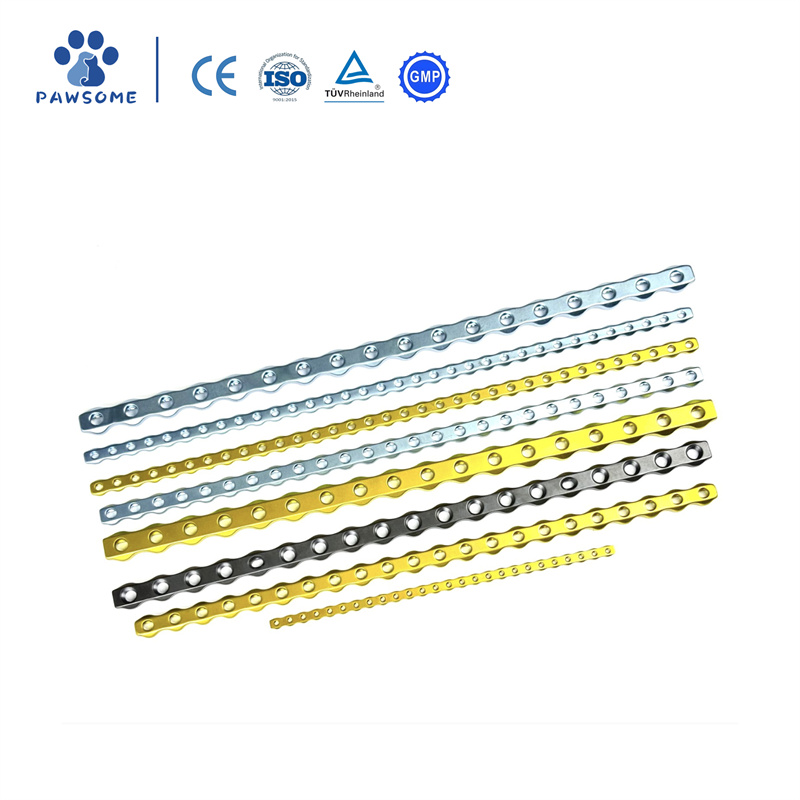 ALPS Plate System
 -
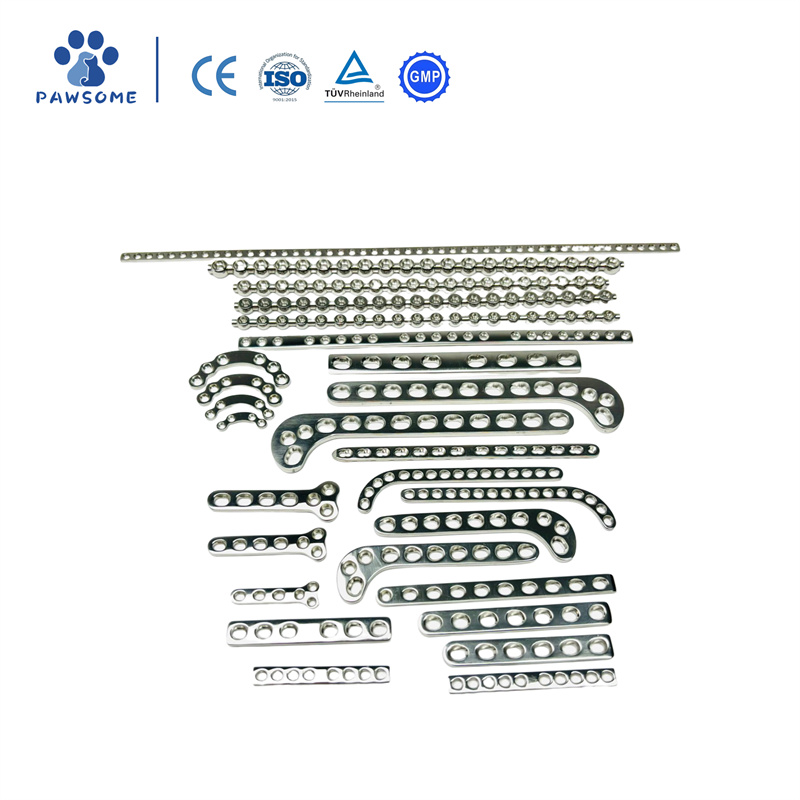 Non-locking Plate system
 -
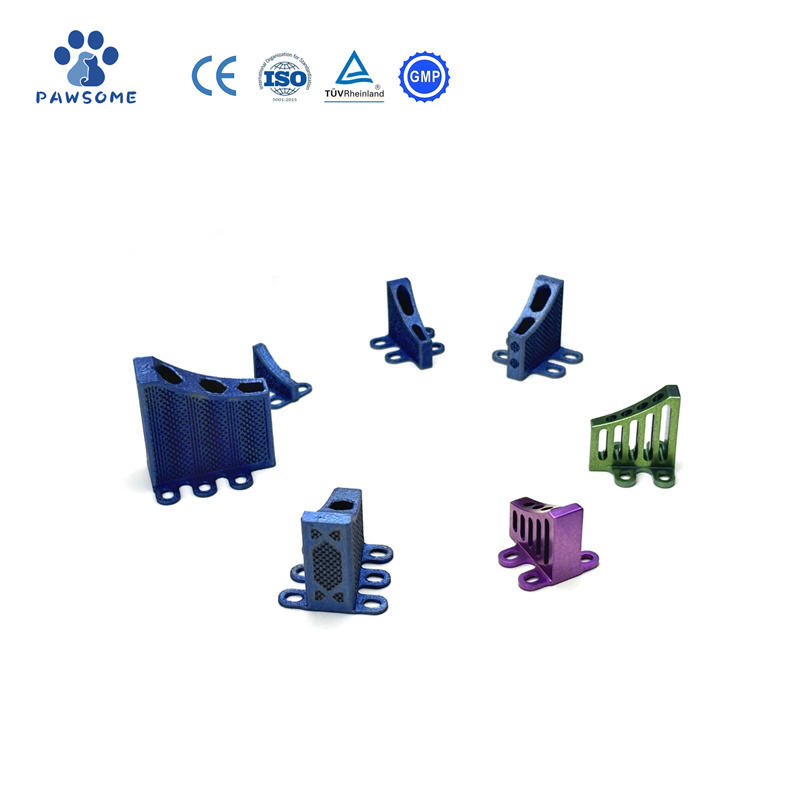 TTA System
-
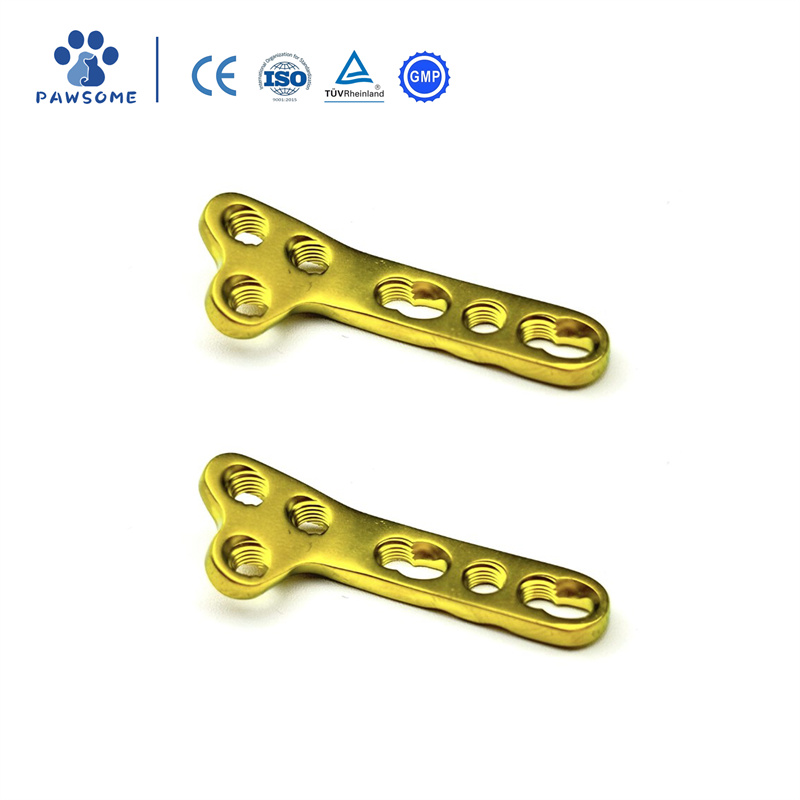 TPLO System
 -
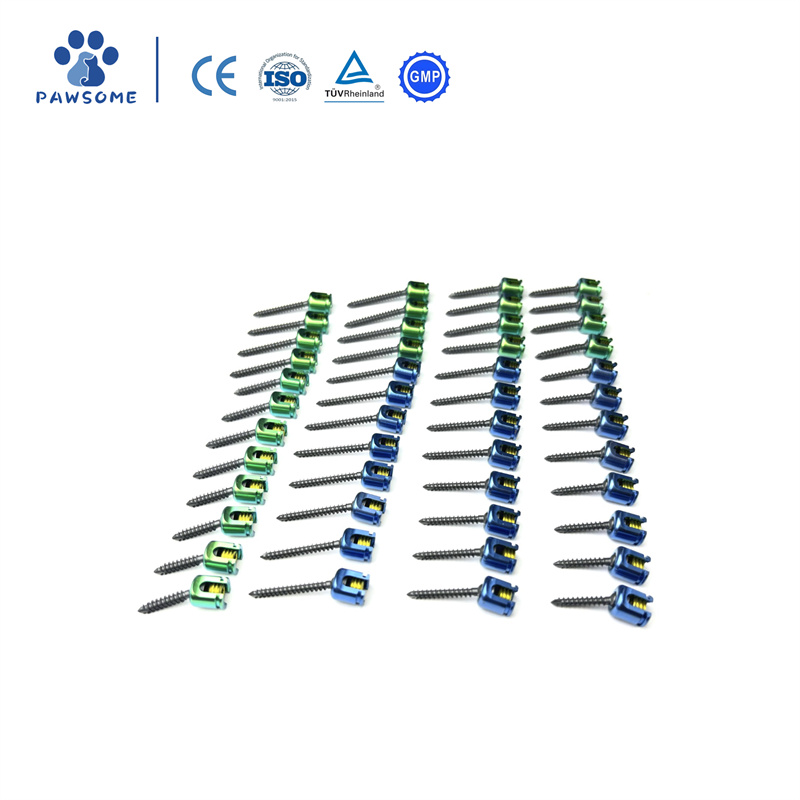 Spine
Spine -
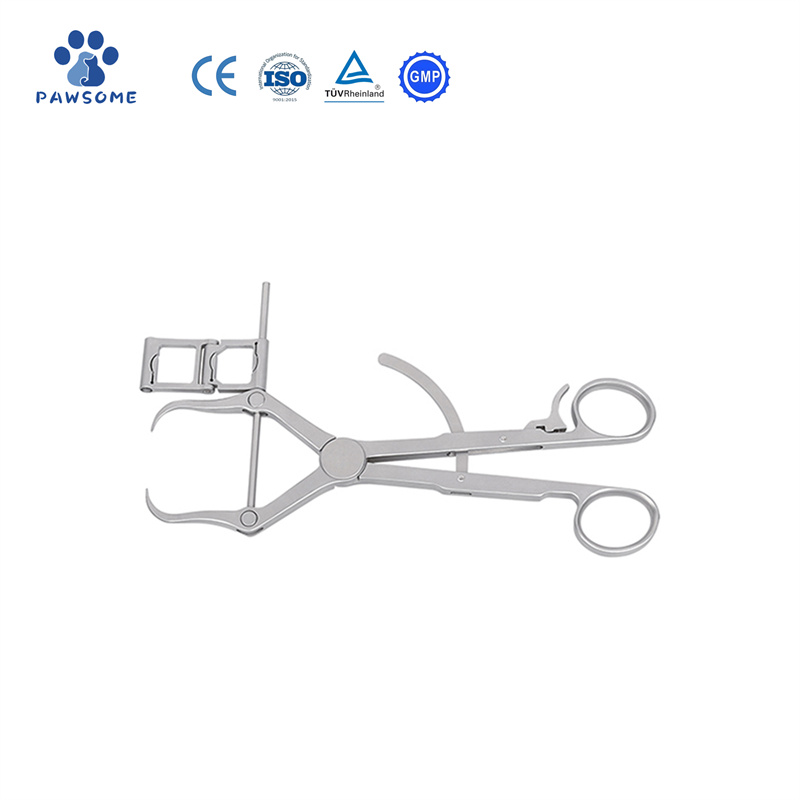 Veterinary instruments
-
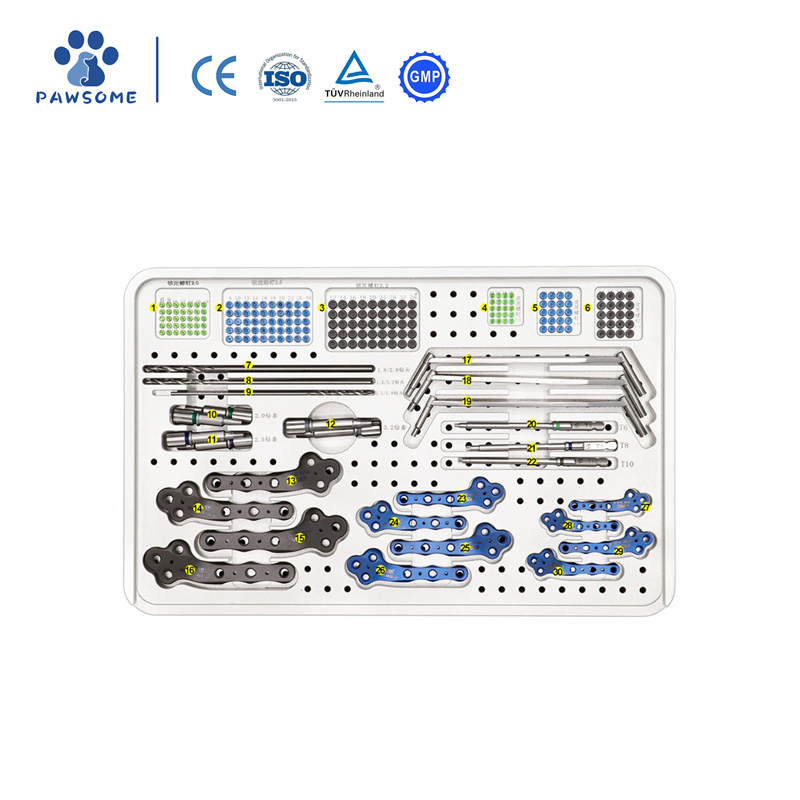 Veterinary Instrument Set
 -
 External fixator
 -
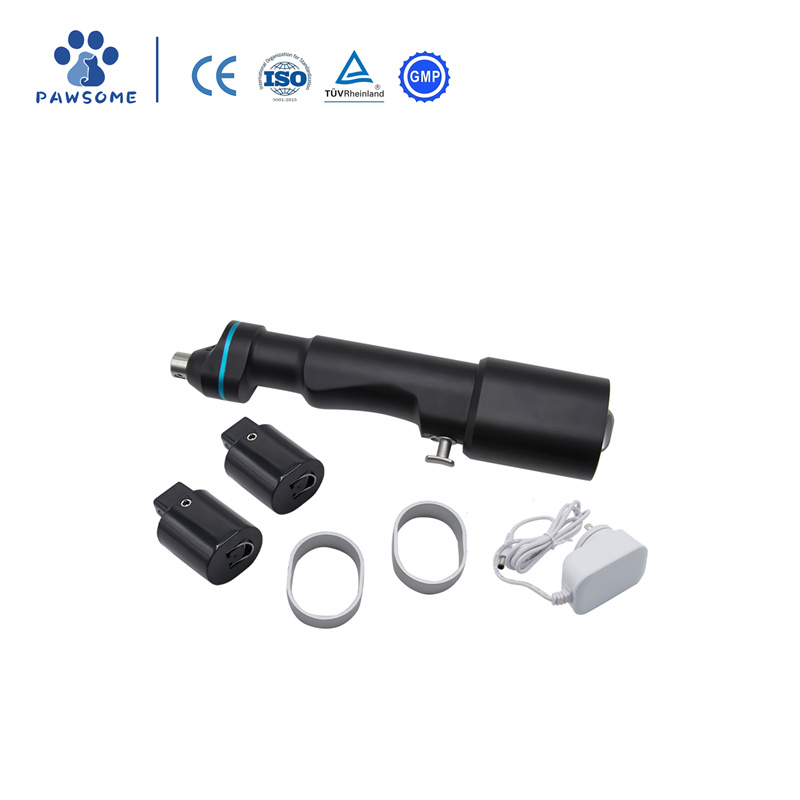 Medical Power Tool System