
Surgical case of a pet dog with ipsilateral humeral and tibial fractures
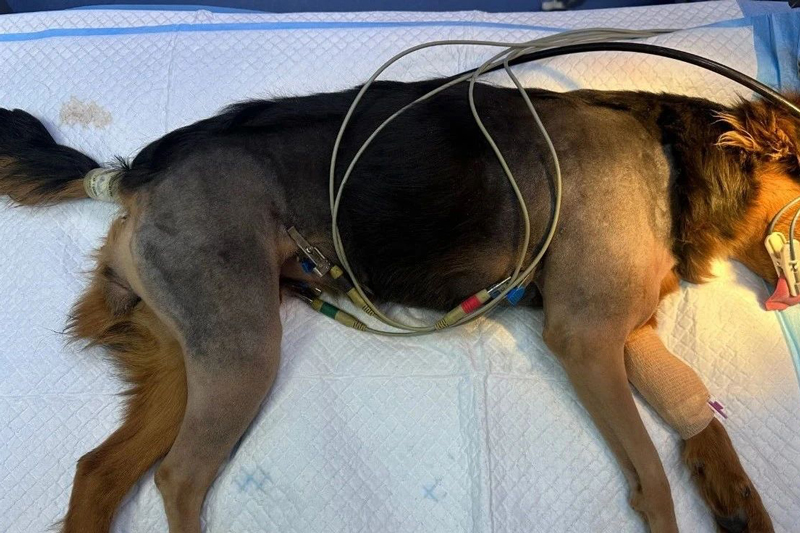
I have seen many cases of three leg fractures and two leg fractures in veterinary work. For cases of multiple limb fractures, it is very important to consider the stability of mechanical mechanics when planning surgery. Postoperative animals need to use this leg to carry weight while walking. If the mechanical stability is poor, postoperative weight-bearing can lead to implant fracture and fixation failure. Design a reasonable implant fixation scheme that ensures mechanical stability while also taking into account the biology of fractures, to ensure rapid healing before implant fatigue occurs. Adequate protection of soft tissue during surgery is crucial, and it is not enough to pursue stability of the implant while damaging too much soft tissue to affect healing.
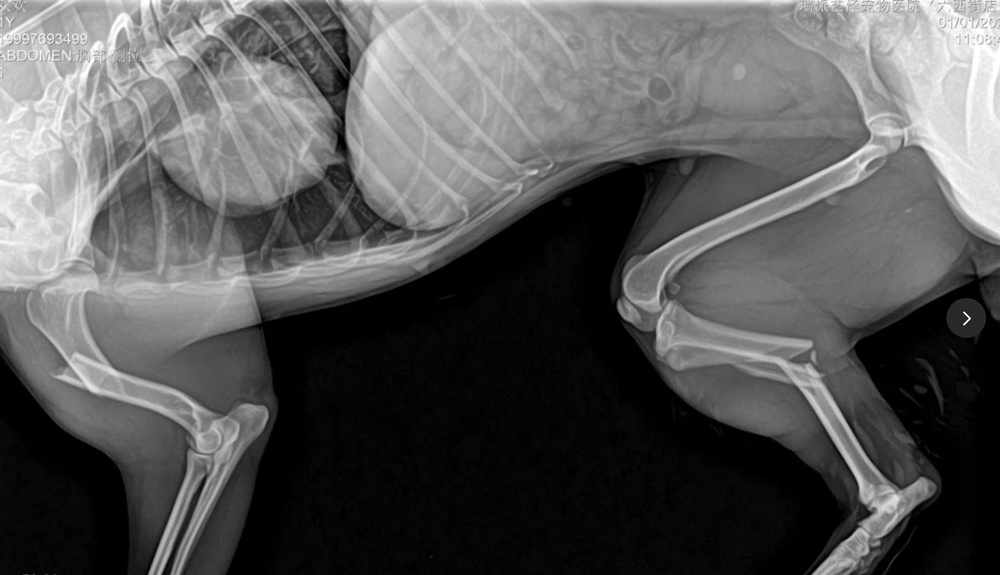
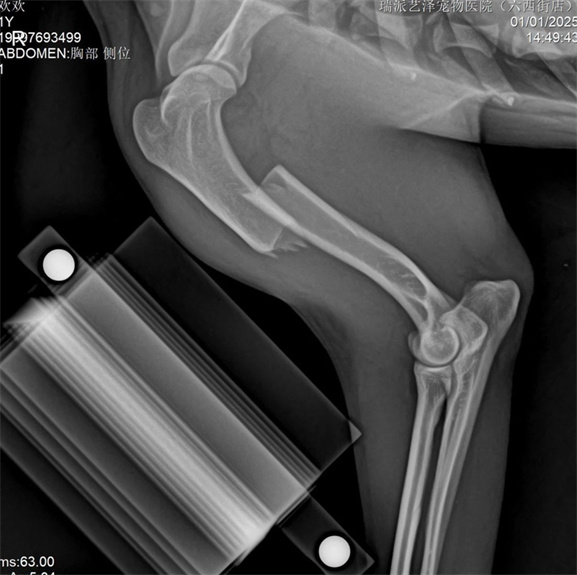
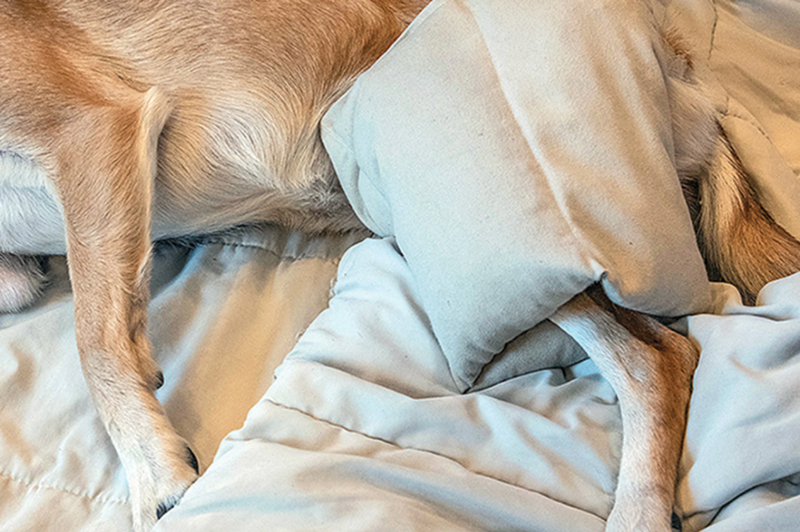
Animal basic information: Country dog, 7kg 1-year-old, cause of fracture: car accident
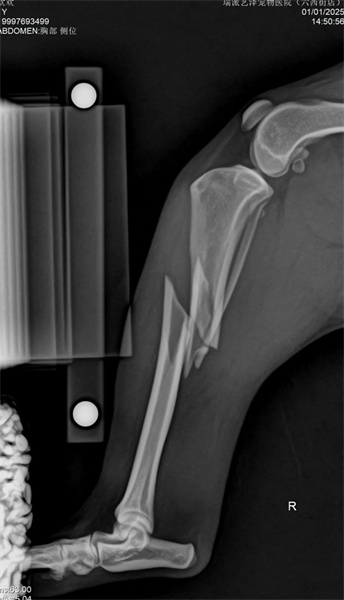
Right tibial shaft comminuted fracture (closed)
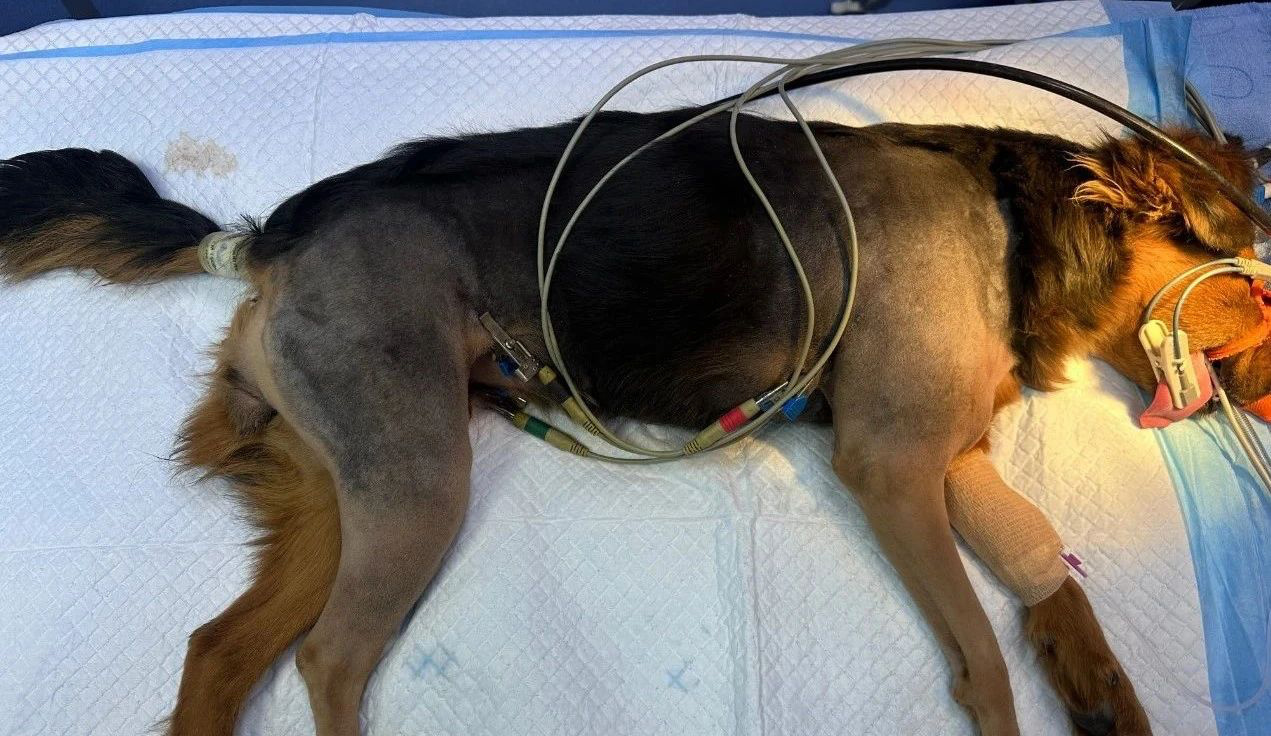
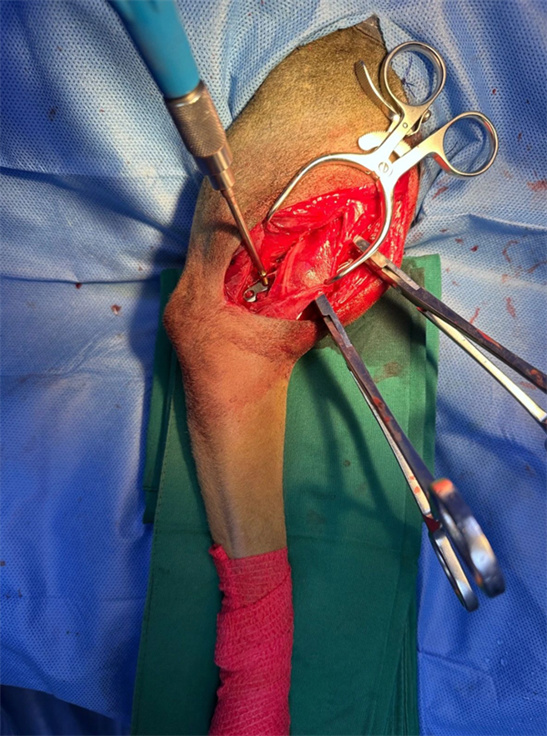
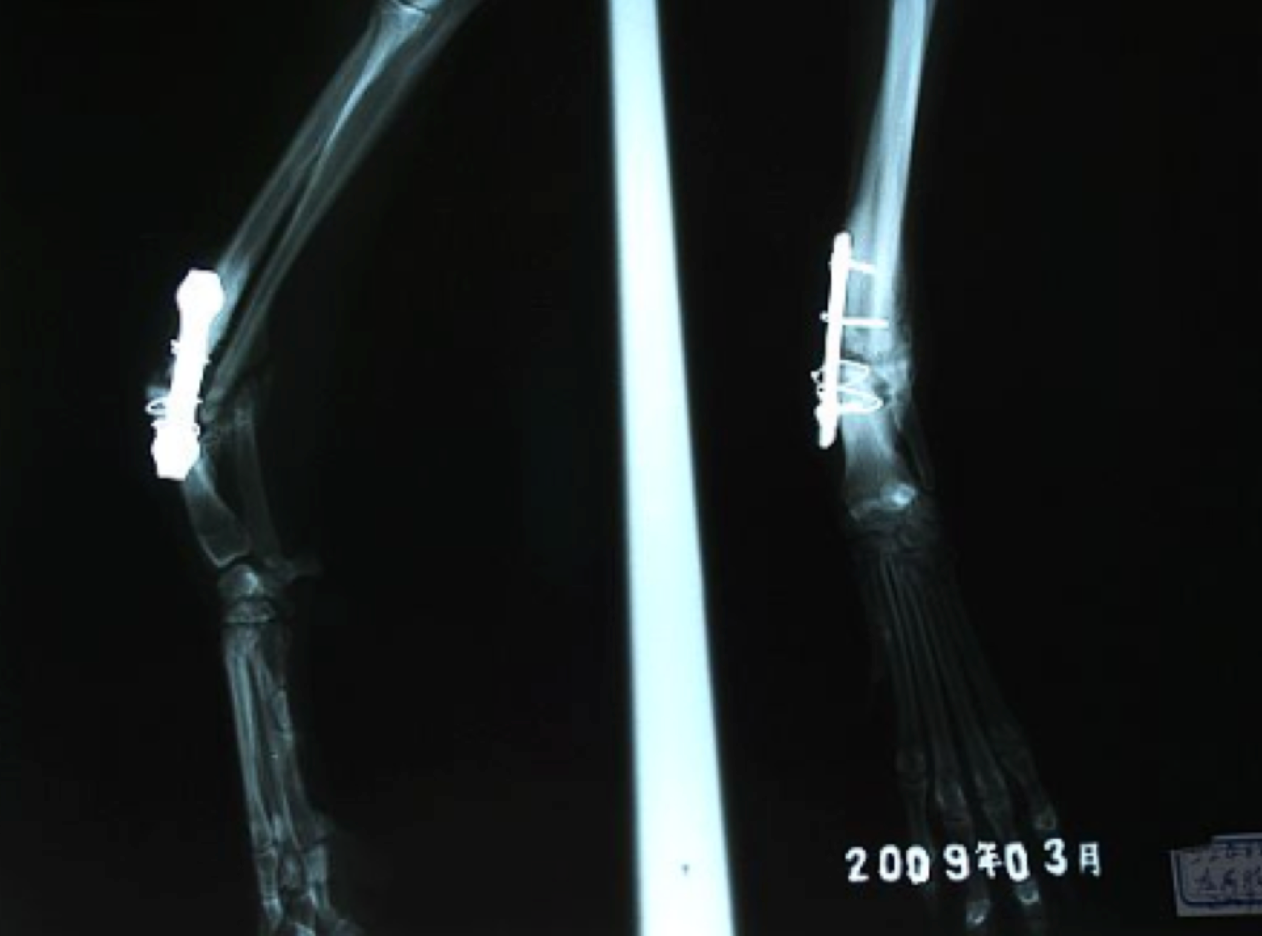
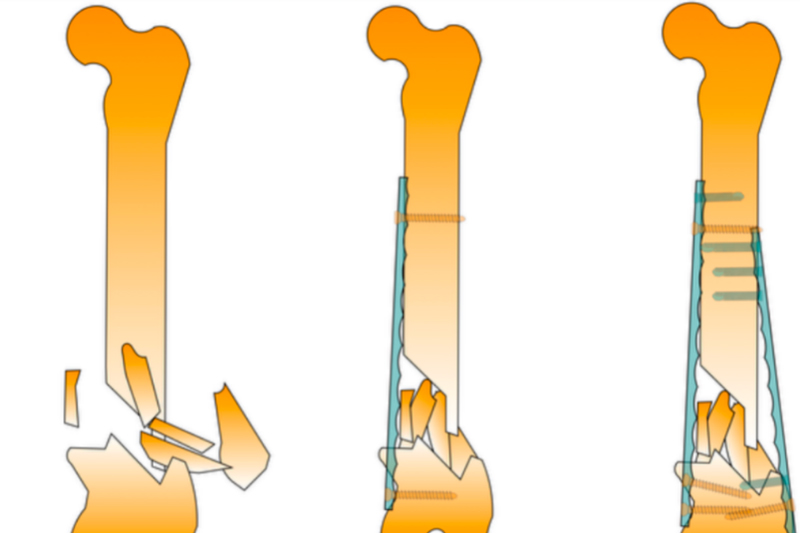
The lateral approach is used for the transverse fracture of the right humeral shaft, with full open contact for fixation of the head side and lateral dual Bone Plates. The transverse fracture plate hole is reduced with compression screws on the head side bone plate.
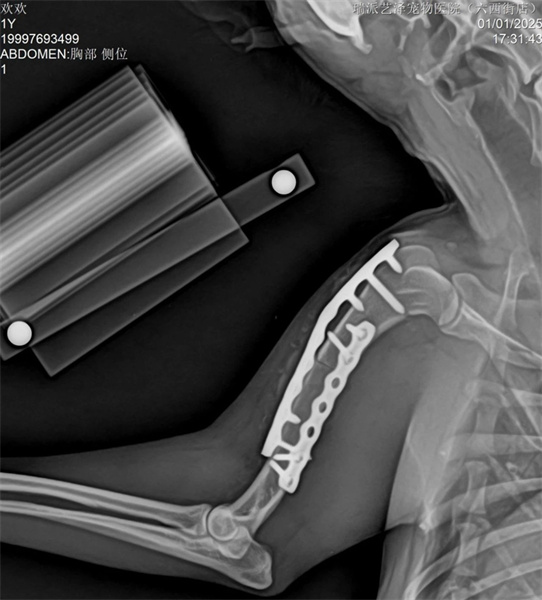
As it is a PRCL locking bone plate system, strive for perfect bone plate shaping, but do not deliberately pursue absolute shaping perfection
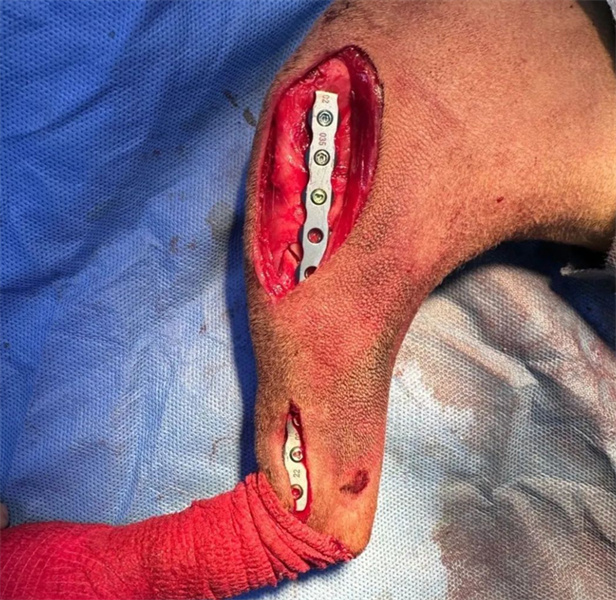
The tibia adopts the medial MIPO surgical approach to protect soft tissue as much as possible, and is fixed using intramedullary nails and bridging bone plates.
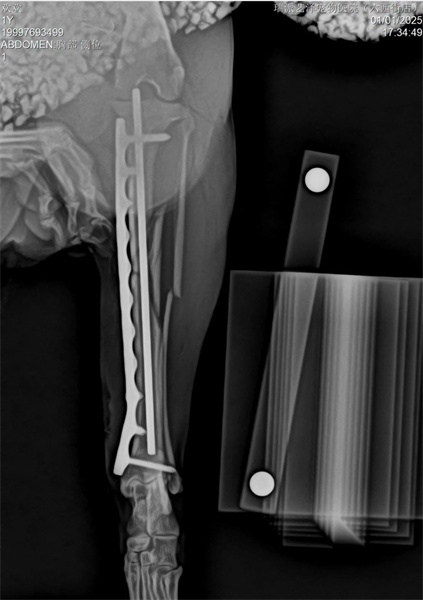
The tibia adopts PRCL8mm bone plate and 2.5mm needle, ensuring that there are at least two screws at the proximal and distal ends
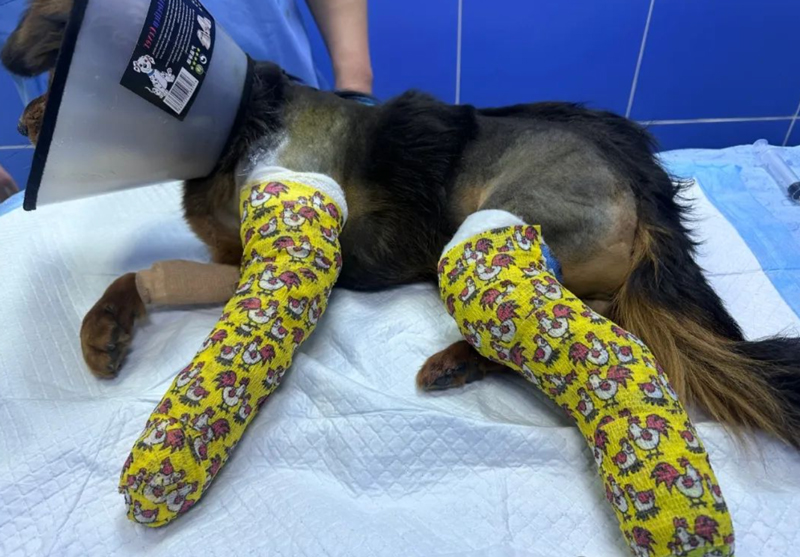
After surgery, the legs were bandaged with "Lambert Jones bandages" for 5 days. After the swelling subsided, the bandages were no longer applied. After 10 days of care, the patient left the hospital and went home.