How should pet owners decide to undergo hip replacement surgery?
As the owner of a dog, facing the major medical decision of hip replacement surgery, it is necessary to comprehensively evaluate from multiple dimensions such as hospital qualifications, doctor experience, implant brand, and postoperative care.
Here are my selection logic and specific suggestions:
1. The core standard for selecting a pet hospital is the qualification certification for animal diagnosis and treatment license: ensuring that the hospital has legal surgical qualifications (which can be found on the official website of the local Agriculture and Rural Bureau).
Equipment conditions: Priority should be given to hospitals equipped with digital X-ray machines (DR), CT, and laminar flow operating rooms to ensure accurate preoperative diagnosis and sterile environment during surgery.
Anesthesia monitoring capability: Confirm whether the hospital has a professional team.
Specialized experience in orthopedic hospitals or departments: Priority should be given to hospitals with independent orthopedic teams and leading annual hip replacement surgery volumes.
2. The key dimensions for evaluating pet doctors are professional background and professional qualifications: confirming that the doctor holds the "Practicing Veterinary Physician Qualification Certificate" and has the ability or relevant certification in small animal orthopedics.
Clinical experience: Whether the lead surgeon has sufficient experience in small animal hip replacement surgery, they can request past surgical cases or search for relevant cases through online platforms.
Transparency of communication skills plan: Doctors should explain in detail the surgical risks (such as infection rate, probability of prosthesis loosening), alternative options (conservative treatment/femoral head resection), and cost composition.
Postoperative commitment: Whether a clear postoperative follow-up plan (such as 1/3/6/12 month follow-up) and a commitment to managing complications have been provided.
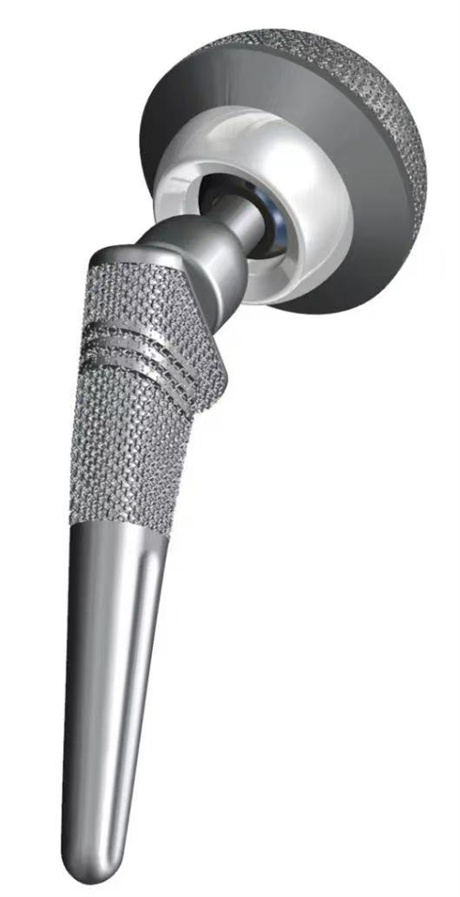
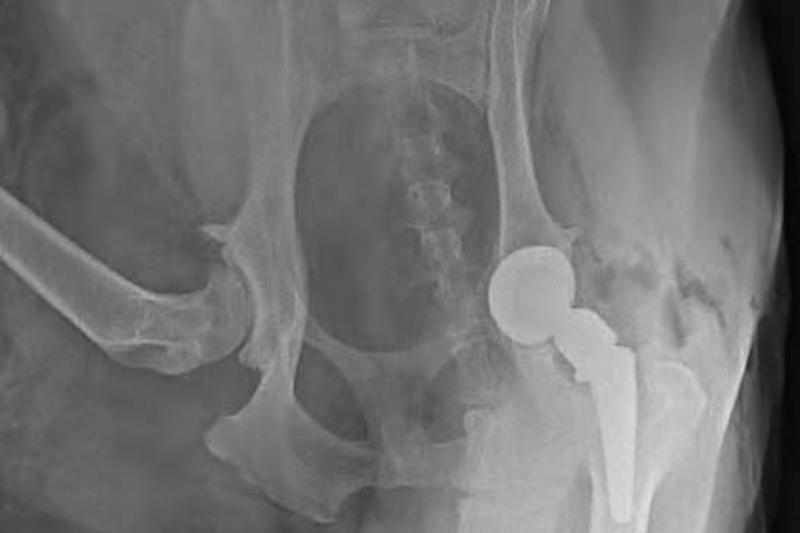
3. The logical budget range for choosing hip implant brands: Imported implants are more expensive than domestic implants, with implicit costs including postoperative rehabilitation (hospitalization, postoperative care, postoperative follow-up) and potential revision surgery (cost ≈ 1.5 times the initial surgery).
Signing a surgical agreement for risk hedging: clarifying the brand of the prosthesis, the division of responsibility for postoperative infections, and the warranty period of the prosthesis; Purchase pet insurance: Currently, most pet insurance does not reimburse hip replacement needs caused by congenital diseases, and the insurance reimbursement amount is mostly insufficient to offset their costs.
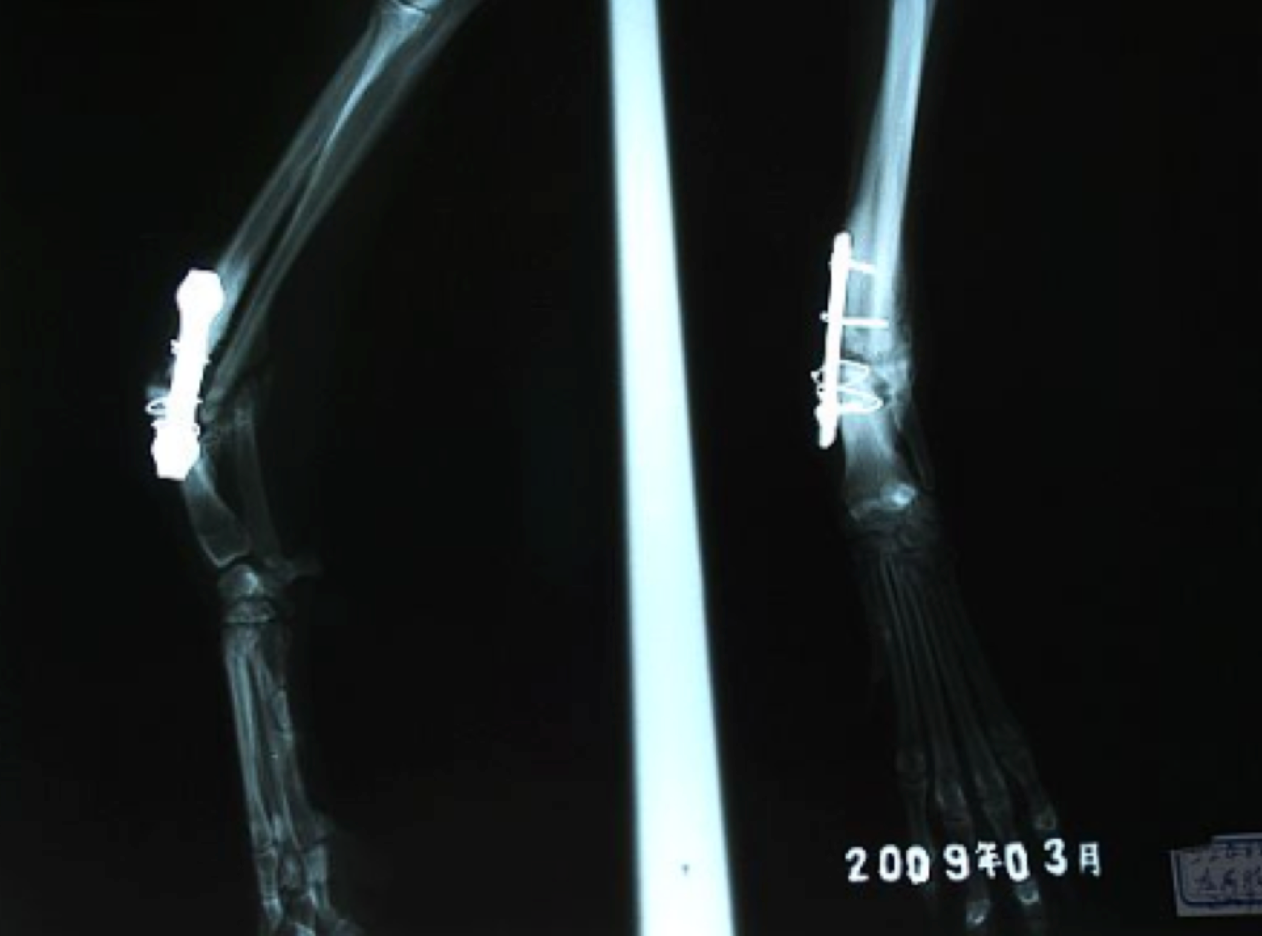
4. The key action of postoperative care is the golden recovery period (8-12 weeks after surgery). Activities should be restricted mainly by cage care, and jumping/climbing stairs should be avoided; Physical therapy: exercise under the guidance of a veterinarian; Nutritional support: Is it necessary to supplement joint nutrients (such as glucosamine, Omega-3) to control weight and reduce joint load. Long term monitoring and regular X-ray imaging to evaluate the stability of prostheses; If limping recurs, seek medical attention immediately and check for infection or loosening of the prosthesis.
Summary: Decision priority ranking: Doctor's experience>Implant brand>Hospital equipment (even the best implants need to be implanted by technically skilled doctors); Refusing compromise items: hospitals/doctors without orthopedic specialty qualifications, using implants that are not widely used, and blurring postoperative responsibilities;
Final suggestion: Surgery is not the end point, but the beginning of long-term management, and the owner's patience and cooperation determine the final outcome.