Five considerations for dog rehabilitation after orthopedic surgery
Orthopedic surgery and postoperative rehabilitation can maximize the recovery of an animal's limb function. Orthopedic surgery can prevent permanent loss of limb function, while a well-planned postoperative rehabilitation program can prevent complications that can impact the animal's quality of life.12 Collaboration between the surgical and rehabilitation teams contributes to successful rehabilitation.
The following are five key considerations for postoperative orthopedic rehabilitation:
Inflammation and pain
Tissue repair
Joint range of motion
Gait recovery training
Strength training
1. Inflammation and Pain
Based on validated research, nonsteroidal anti-inflammatory drugs (NSAIDs) have become the standard of care for postoperative inflammation and pain following orthopedic surgery.4-7 The inflammatory phase due to tissue repair typically occurs 3-5 days after injury.8 However, the edema, swelling, and pain associated with orthopedic surgery can persist longer. Therefore, the use of NSAIDs should be tailored to the individual case. NSAIDs can be used before suture removal, with subsequent evaluation of the animal to determine whether continued use is warranted.5-7
Before closure, infiltration of the peri-incision with a liposomally encapsulated bupivacaine formulation can help reduce proinflammatory cytokine stimulation of peripheral pain receptors, blocking pain transmission with a duration of effect of up to 72 hours.9 Peripheral nerve blocks have been shown in human clinical practice to provide improved postoperative analgesia, promote earlier return to movement, and positively impact both surgery and postoperative recovery. Peripheral nerve blocks can also improve patient tolerance for immediate postoperative physical rehabilitation. While the use of peripheral nerve blocks in this setting has not been studied in veterinary medicine, similar benefits appear to be seen in dogs and cats.
Cryotherapy uses low temperatures to reduce inflammation and pain at the surgical site. Lowering tissue temperature can reduce the metabolic rate of damaged tissue, induce vasoconstriction, slow sensory nerve conduction, decrease the concentration of proinflammatory cytokines, and downregulate muscle excitability. This can reduce inflammation and tissue damage, alleviate edema and swelling, reduce muscle spasm, and lower pain levels. Simple ice packs can be made by wrapping a bag of ice cubes or frozen vegetables in a thin towel or pillowcase. Commercial canvas ice packs (see Figure 1) can also be used, or they can be secured around the affected limb and joint with nylon straps.
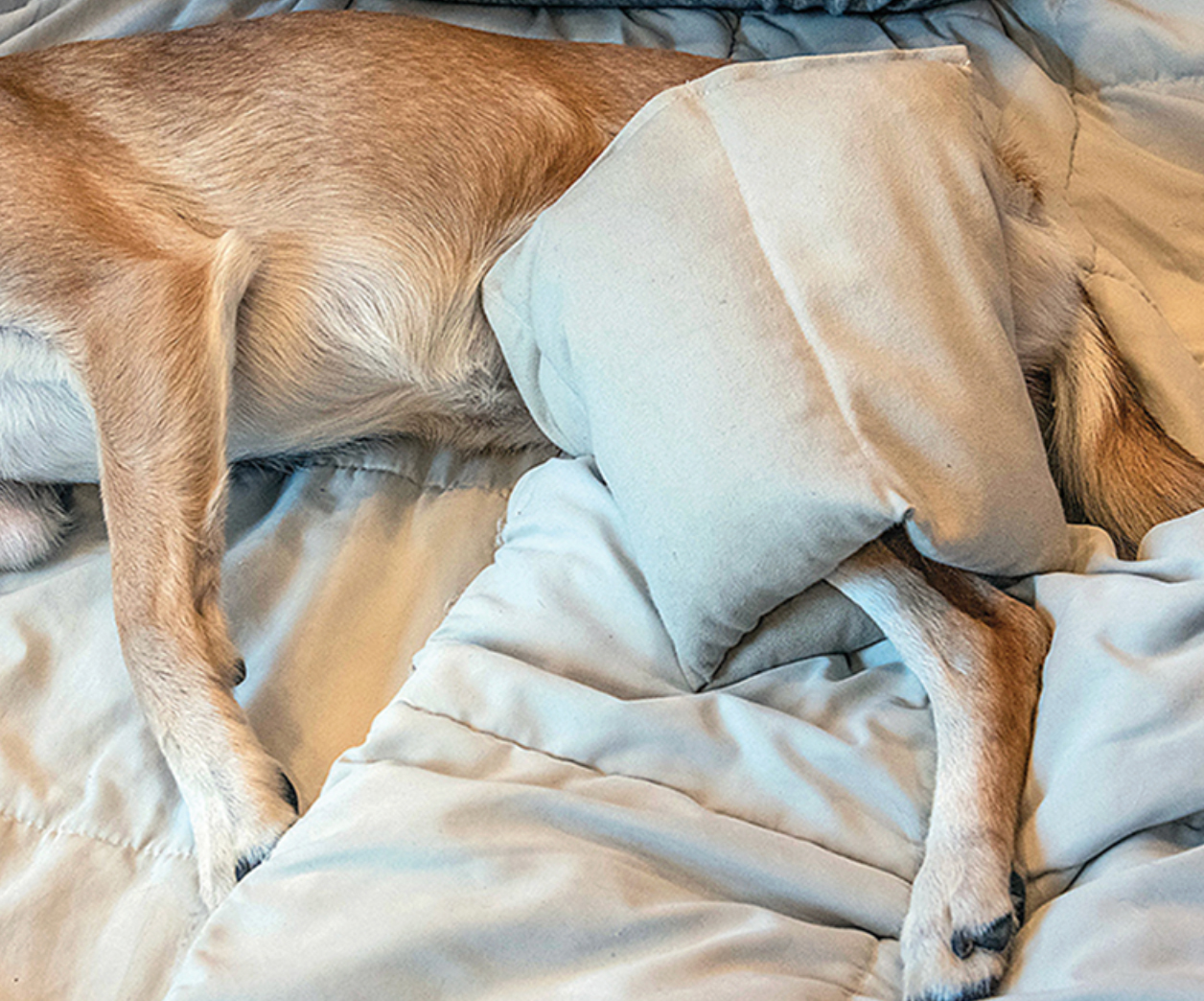
(Figure 1) Hypothermia treatment was performed by wrapping a commercial canvas ice pack around the dog's knee.
The ice pack was applied to the entire knee joint, not just the outer side. The other hind limb was protected with a blanket.
The ice pack should be large enough to cover the entire surgical area, not just the wound. The recommended frequency of ice application is 10 to 30 minutes at a time, every six hours. Some cryotherapy devices also apply pressure, which can improve the contact between the cold source and the treatment area. A study showed that dogs who underwent TPLO surgery and applied an air pressure cold pack to the knee within 24 hours after surgery showed significant improvement in pain, lameness, and range of motion.
2. Tissue Healing
Laser therapy (photobiomodulation therapy, or PBMT) exposes tissue to electromagnetic radiation of a specific wavelength, inducing a biological effect of electron and proton conversion. This biological effect includes the production and activation of growth factors, stimulation of cell growth and stem cell differentiation, and promotion of vasodilation, angiogenesis, fibroblast proliferation, and epithelialization, thereby promoting overall tissue repair. There is no recommended standard dose or frequency for PBMT treatment in veterinary medicine. Clinically, the use of type 3B or 4 lasers at doses of 3-6 J/cm³ to 8-10 J/cm³ is empirically recommended. Daily PBMT is recommended in the post-acute surgical period, with treatment intervals increasing as recovery progresses.
3. Range of Motion
For joints without muscle contracture, passive range of motion (PROM) therapy is a common rehabilitation modality in the early postoperative period. This approach effectively reduces pain and scar tissue formation, restores joint flexibility, maintains the flow and health of synovial fluid, and prevents muscle atrophy. The procedure is typically performed with the patient in a lateral recumbent position with the affected limb up. Slow and gentle flexion and extension exercises are performed on the limb being reconditioned, as far as the patient is comfortable.
PROM therapy can be discontinued when the patient is able to consistently bear weight on the affected limb and perform active range of motion (AROM). Methods that promote active range of motion include assisted or independent leash walking, underwater treadmills, the use of stairs and ramps, and obstacle course training (see Figure 2).
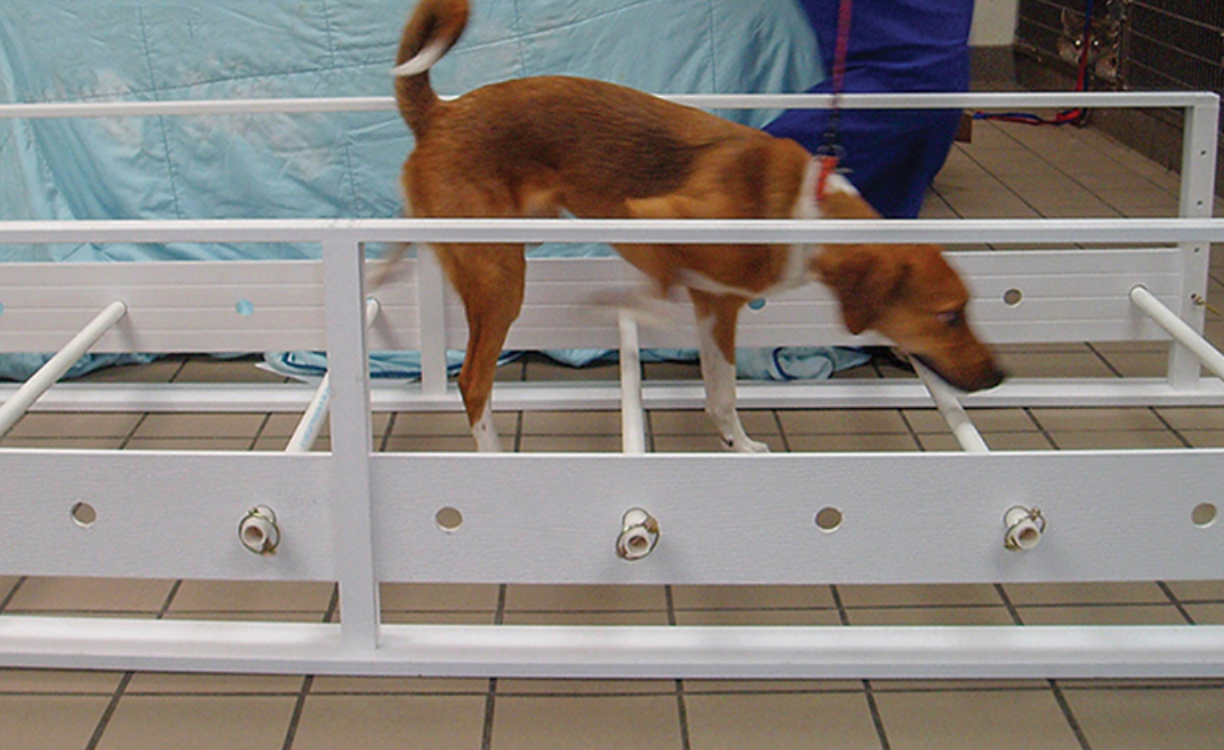
(Figure 2) A dog is jumping over hurdles with the left forelimb and right hindlimb fully extended, while the right forelimb and left hindlimb are fully flexed. Jumping over hurdles is a versatile activity that can promote AROM by increasing the spacing and height of the hurdles, restoring gait and strength. The dog is also developing core muscle strength.
Swimming is also a method for promoting active joint motion. For patients undergoing anterior cruciate ligament repair, swimming can enhance the range of flexion in the knee and tarsal joints. 31 Joint extension deficits are a common problem in animals before and after orthopedic surgery. Underwater treadmill therapy may be more effective than swimming in restoring joint extension. 28 Underwater treadmill therapy can be initiated after the animal's wound has healed, and the depth, pace, and duration of the exercise can be customized to the individual's needs.
4. Gait Restoration Training
Gait restoration training, also known as neuromuscular rehabilitation, involves specific exercises designed to stimulate damaged nerves and muscles to reconnect them. This type of training can restore the animal's limb to pre-surgery function. Exercises performed during the muscle innervation process can stimulate the repair of damaged and atrophied motor neuron pathways, promote the recovery of neuromuscular responses, and restore peripheral and central neuromuscular feedback systems, thereby promoting recovery of the affected limb. These training exercises primarily aim to improve the animal's sense of balance and stimulate proprioceptive reflexes. These include underwater treadmill therapy; walking on various surfaces (e.g., grass, hard pavement, dirt, fallen leaves); customized courses with temporary obstacles of varying heights and lengths; navigating obstacle courses, warning cones, or tires; and balance training on a sway board and/or standing on a yoga ball (Figure 3).
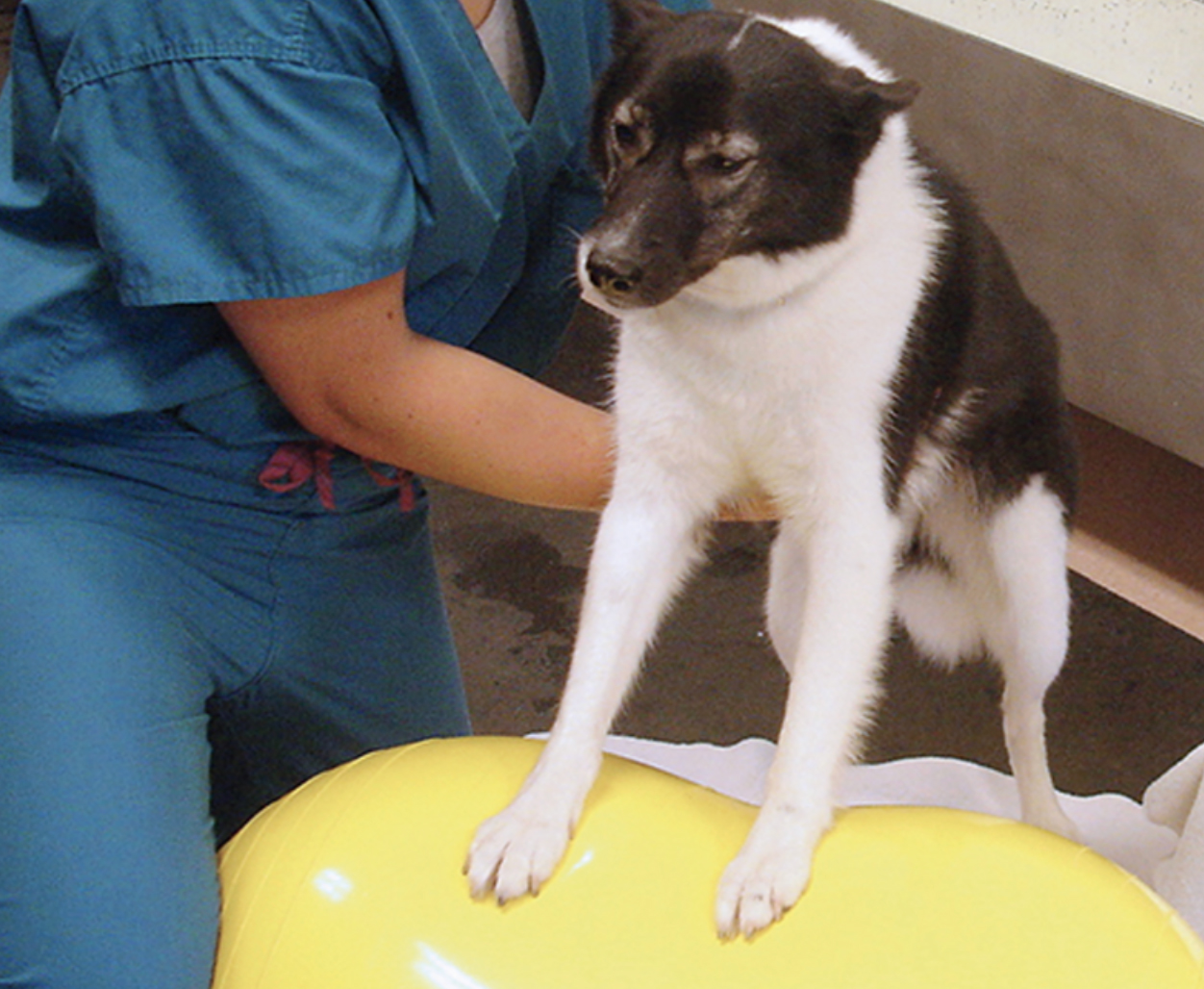
(Figure 3) The dog's front legs are placed on a rocking yoga ball. This allows for simultaneous gait rehabilitation and strength training, while also exercising the patient's core muscles.
Additional training may include the technician holding the patient's front limbs while walking to create a dancing pose, or lifting the hind limbs to create a "wheelbarrow" pose (see Figure 4).
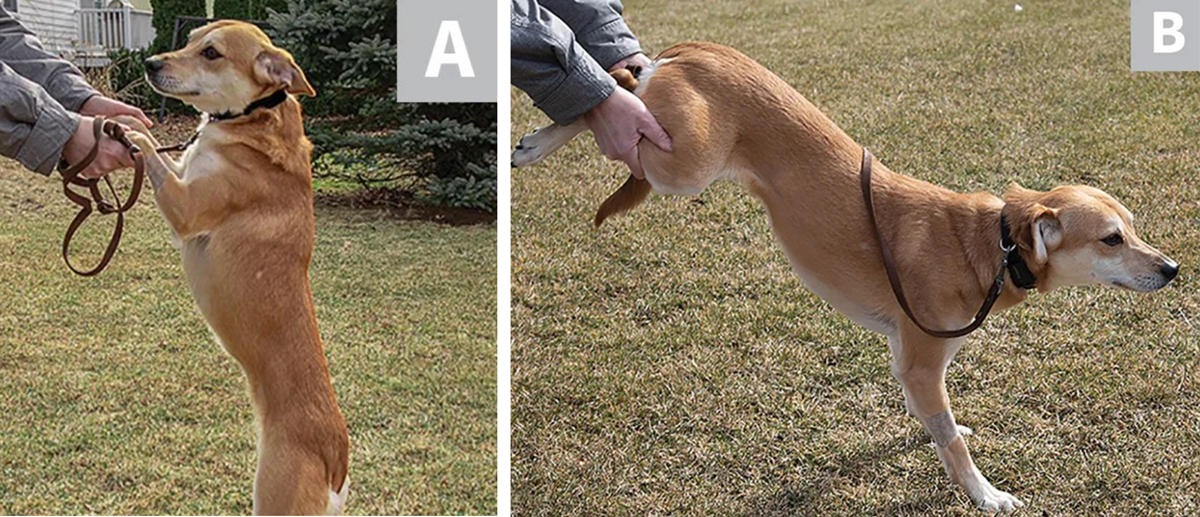
(Figure 4) The technician lifts the dog's front legs (A) and hind legs (B) into a "wheelbarrow" position while walking. These exercises can be used to train gait recovery and strengthen specific muscle groups in the limbs.
5. Strength Training
Strength training primarily involves repeated muscle relaxation under mechanical resistance.34,35 This type of training increases muscle mass and strength, helping the animal regain previous muscle mass and limb function.34 For optimal results, all four limbs should be involved simultaneously, including lowering the water depth and increasing the speed of the tracks during underwater treadmill training.30 Ground training can also employ similar approaches: increasing walking speed or jogging to increase force on the limbs; training the dog to wear small foot dumbbells; encouraging the dog to pull the sled and gradually increasing the weight; increasing the height of the obstacle course and lengthening the stride when performing "dance steps" and/or "unicycle walks"; and walking up and down steep slopes can all enhance strength. Having the animal perform repeated "sit-and-stand" exercises strengthens the hip and hindlimb muscles, while "down-and-stand" exercises strengthen specific muscle groups in the chest and forelimbs.
6. Core Strength Muscles
Humans place great emphasis on the importance of abdominal and lower back muscles (a strong core) because they improve athletic performance. 35,36 Developing core strength in dogs and cats is a relatively difficult task, but its importance cannot be underestimated. When an animal stands on an unstable platform (such as a wobble board, a semicircular balance ball, or a yoga ball), it attempts to maintain balance and avoid falling. 30 This promotes the development of the core muscles. While the animal is on the wobble board, scratching its abdomen can promote the contraction of its core muscles. 37 Dogs and cats can be trained to roll on command, an exercise that also requires core strength. Patients can be encouraged to repeat this exercise for a certain period of time. 30 A physical therapist can also lift one of the patient's front legs and the opposite hind leg off the ground and have the patient stand on the remaining two legs for a period of time, repeating several times. 37 This exercise stimulates the contraction of the abdominal, back, and upper limb muscles, helping to strengthen the core muscles.
7. Conclusion
Postoperative rehabilitation is an essential component of orthopedic treatment for dogs and cats. While high-quality research evidence is lacking in veterinary medicine, effective rehabilitation methods from human medicine can be applied to dogs and cats. For any orthopedic surgery, postoperative rehabilitation plans should consider controlling inflammation and pain, promoting tissue repair, increasing joint range of motion, supporting gait recovery, and strengthening muscle strength.